Corner-to-Corner (C2C) Crochet: How to Read Graphs and Make Your First Blanket
Corner-to-corner (C2C) crochet for beginners: how the diagonal build works, how to read a graph, increases and decreases, color changes and a free C2C heart square.
C2C is the technique behind most pixel-art blankets. You start in one corner, work diagonal rows that grow one block at a time and finish in the opposite corner. It looks like magic, but there are only three kinds of row: increase, plain and decrease. This page explains how C2C grows, how to read a graph, how increases and decreases work and how to change colors, and it ends with a free C2C heart square with every row spelled out. For a related grid technique see our filet crochet guide.
How C2C Grows Diagonally
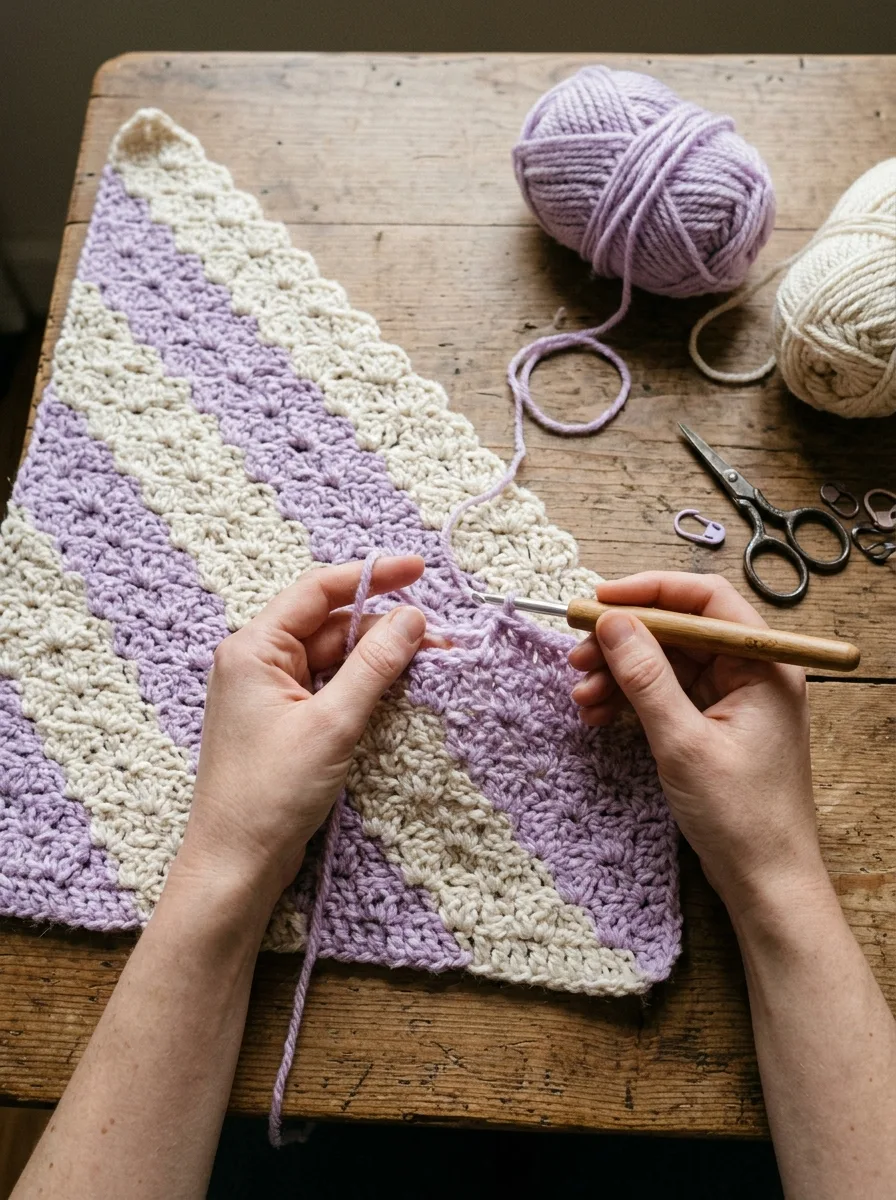
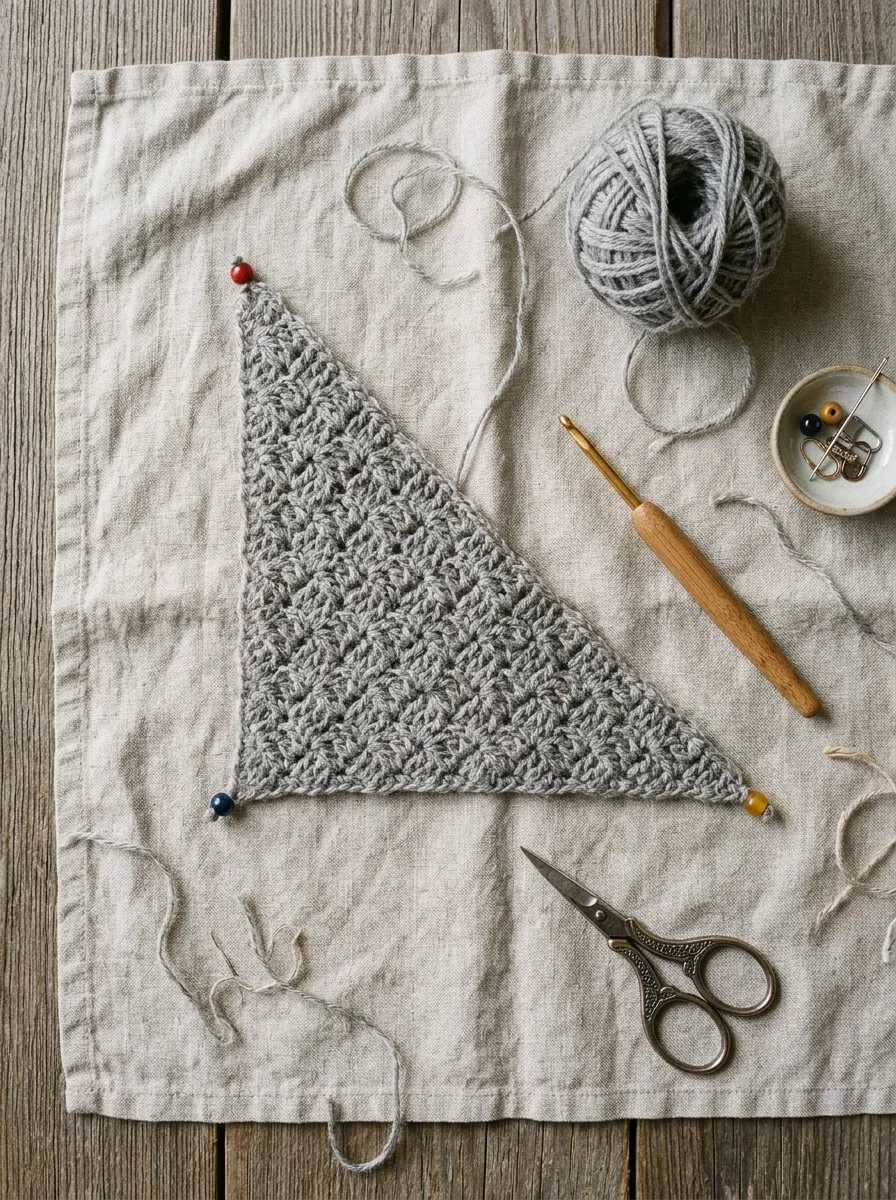
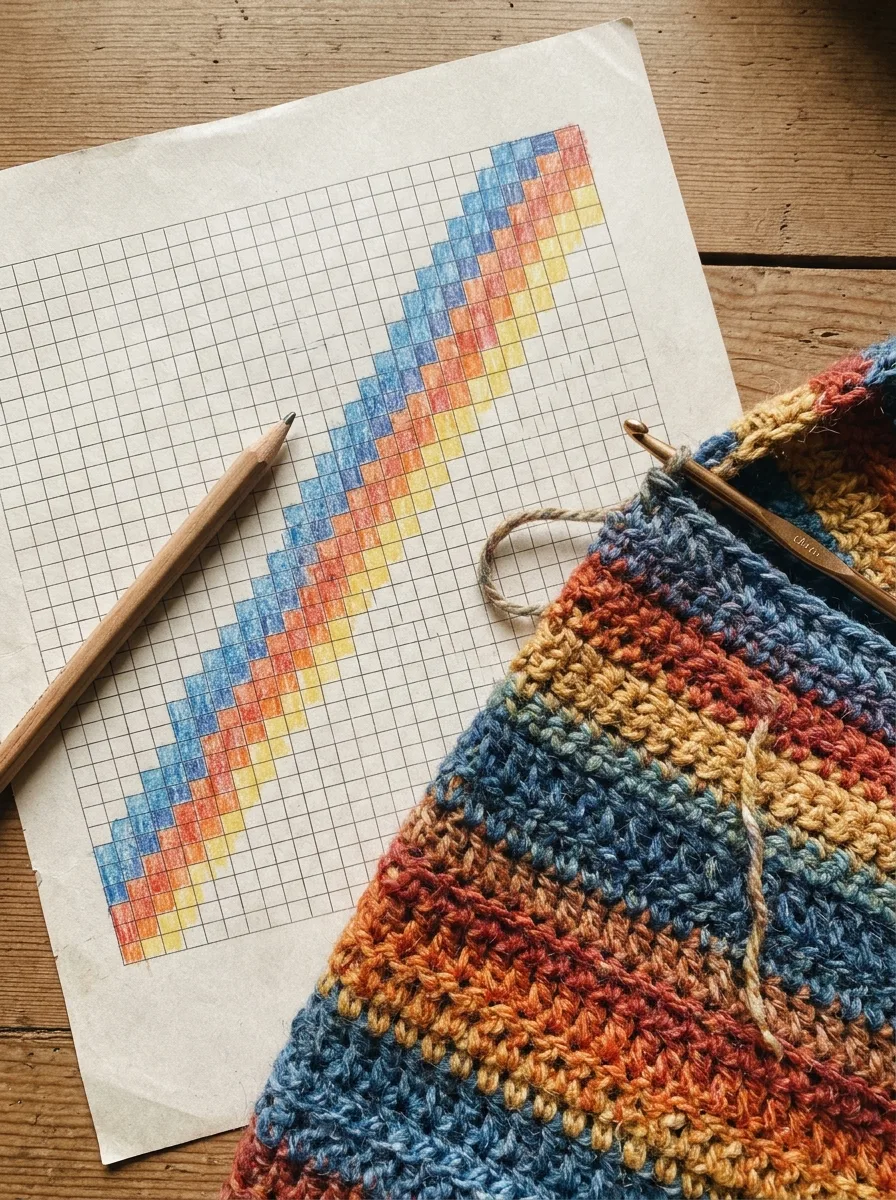
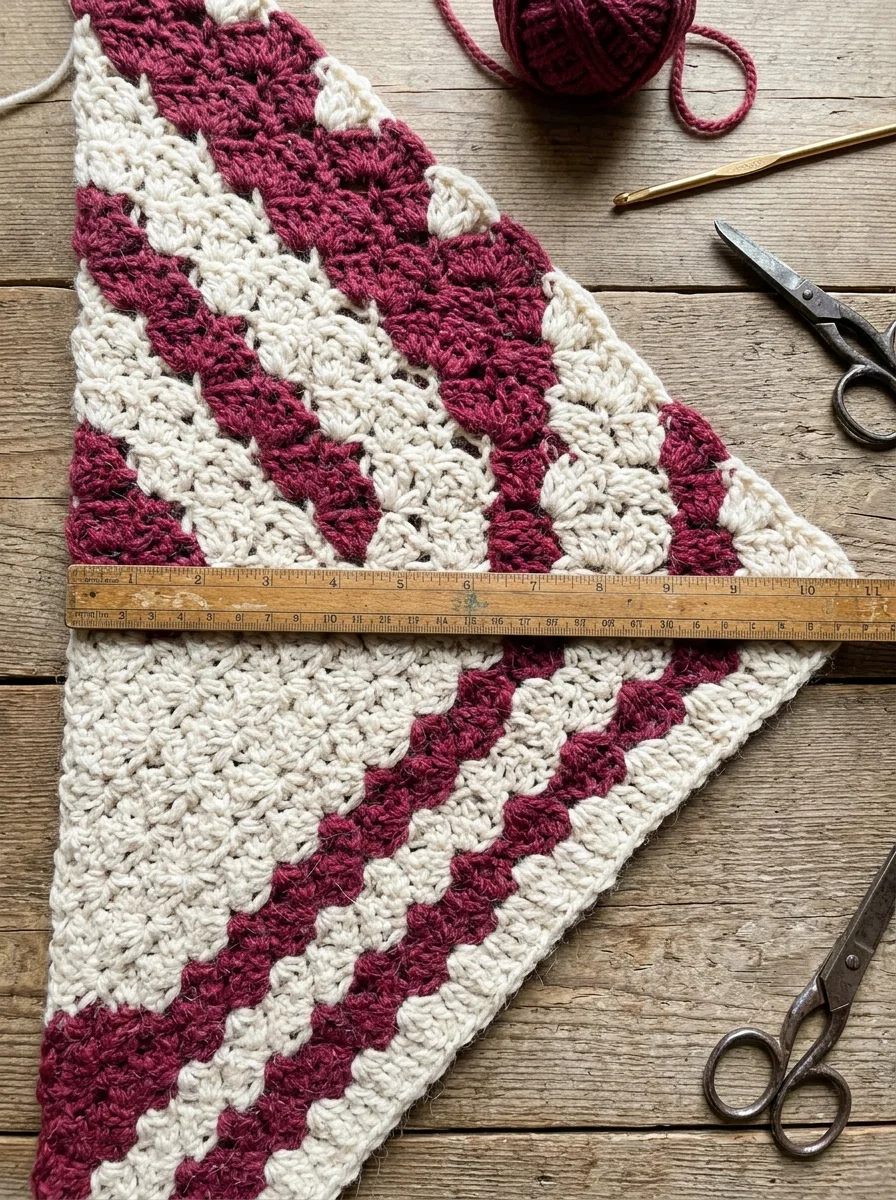
C2C starts from one corner and grows to the opposite corner. Each row is a diagonal line of blocks, and each row adds one block until the piece reaches its width.
Increase at the start and end of each row until you reach the width. In each increase row you make a new block from a chain at the start, and one extra block at the end.
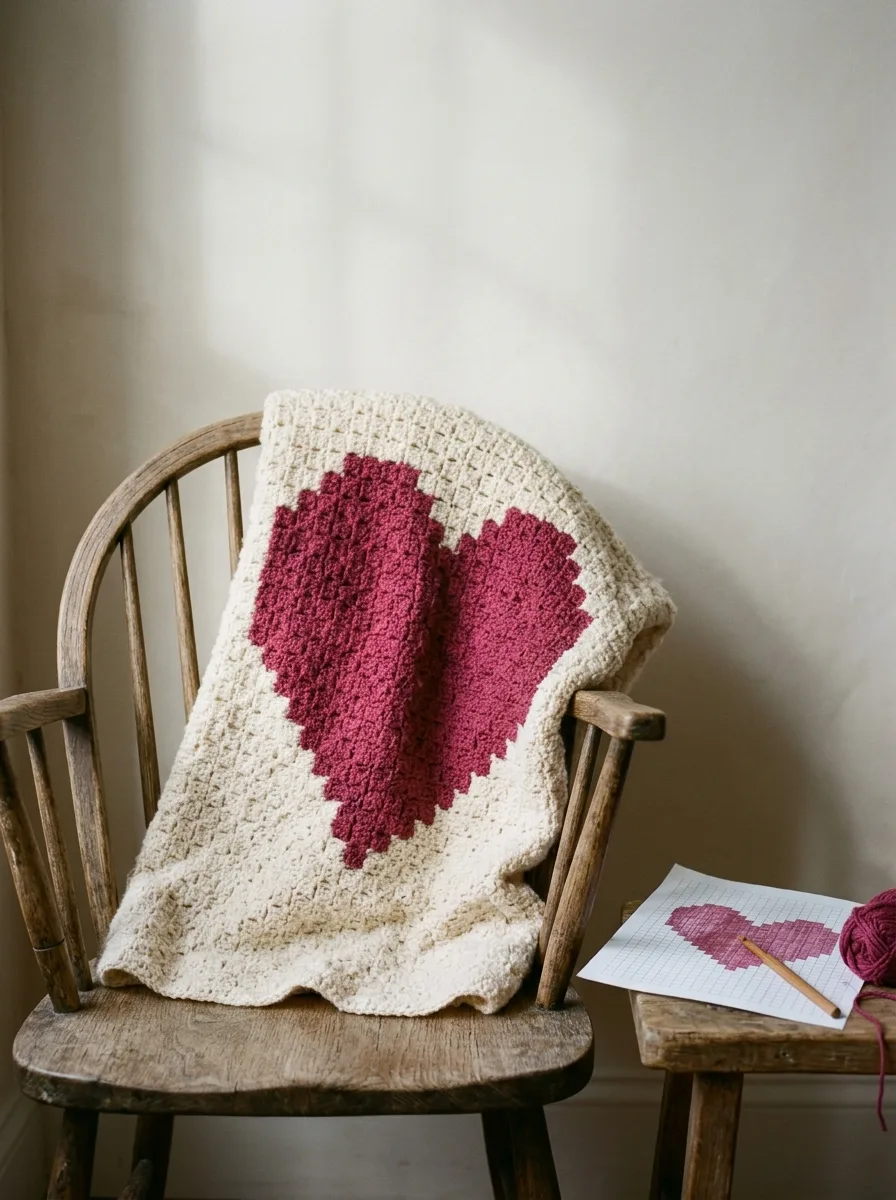
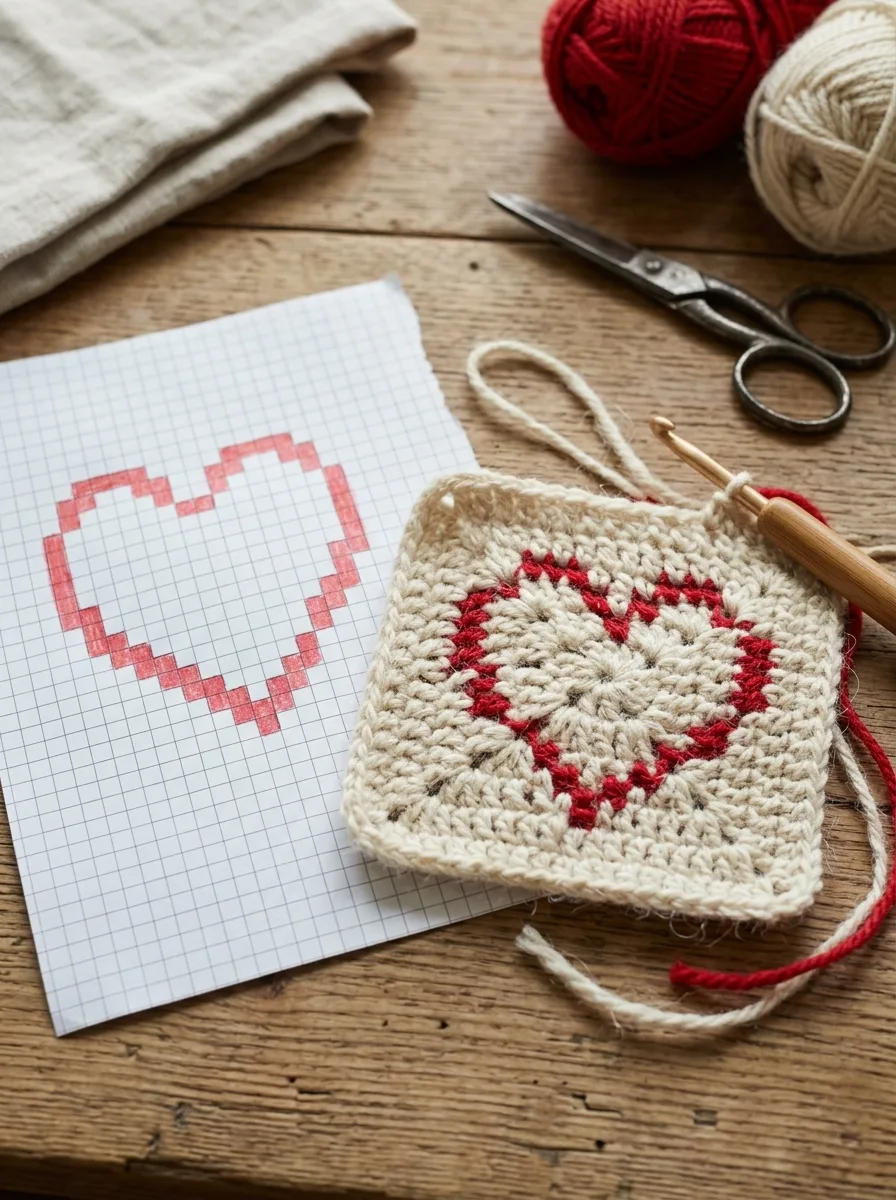
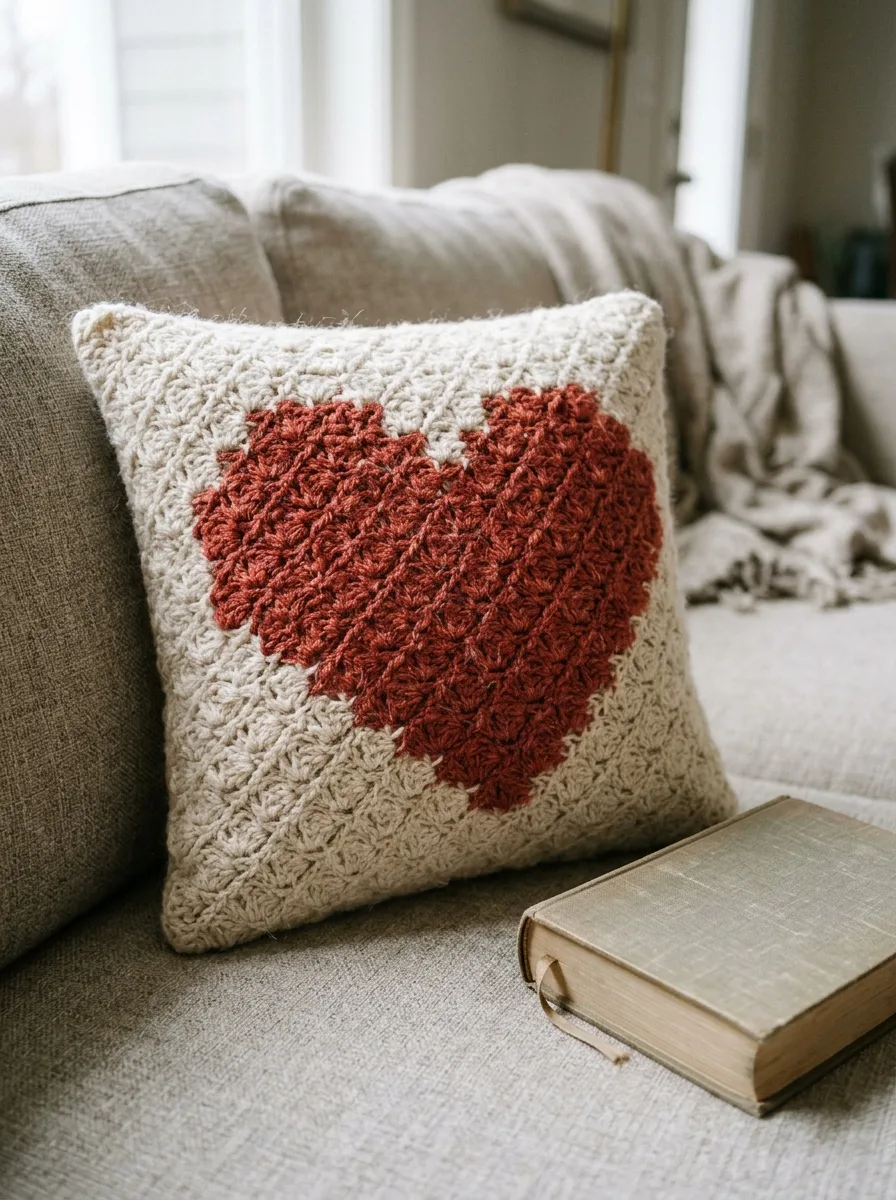
The square is 11 blocks wide and 10 tall, 110 blocks in all, in two colors: A (cream) and B (berry). Each block is ch 3 and 3 dcdc = double crochetUK: treble (tr)Yarn over, insert, pull up a loop (3 loops), then [yarn over, pull through 2] twice. About twice as tall as sc. worked into a chain-3 space. Rows alternate direction, so odd rows are worked starting at the upper-right end of the diagonal and even rows starting at the lower-left. The colors are listed from the lower-left end to the upper-right end of each diagonal: for odd rows, read them in reverse.
Graph (rows top to bottom; B = heart):
 .  .  .  .  .  .  .  .  .  .  .
 .  .  B  B  .  .  .  B  B  .  .
 .  B  B  B  B  .  B  B  B  B  .
 .  B  B  B  B  B  B  B  B  B  .
 .  B  B  B  B  B  B  B  B  B  .
 .  .  B  B  B  B  B  B  B  .  .
 .  .  .  B  B  B  B  B  .  .  .
 .  .  .  .  B  B  B  .  .  .  .
 .  .  .  .  .  B  .  .  .  .  .
 .  .  .  .  .  .  .  .  .  .  .
Tick as you go
C2C Heart Square (A = cream, B = berry)
0 / 17 done
Count check: rows 1–10 have 1 to 10 blocks (55 blocks), Row 11 has 10, and rows 12–20 have 9 down to 1 (45 blocks): 55 + 10 + 45 = 110 = 11 × 10. The heart has 46 B blocks. Color changes: change on the last yarn-over of the block before the new color.
Finished! Fasten off and admire it.
On odd rows, read the color list backward (from the upper-right end). If your first row 2 block lands on the opposite side from the chart, rotate your work 180° and continue: the heart is symmetrical, so it still reads correctly as long as the point faces down. Check after Row 10 that the two lobes of the heart are visible.
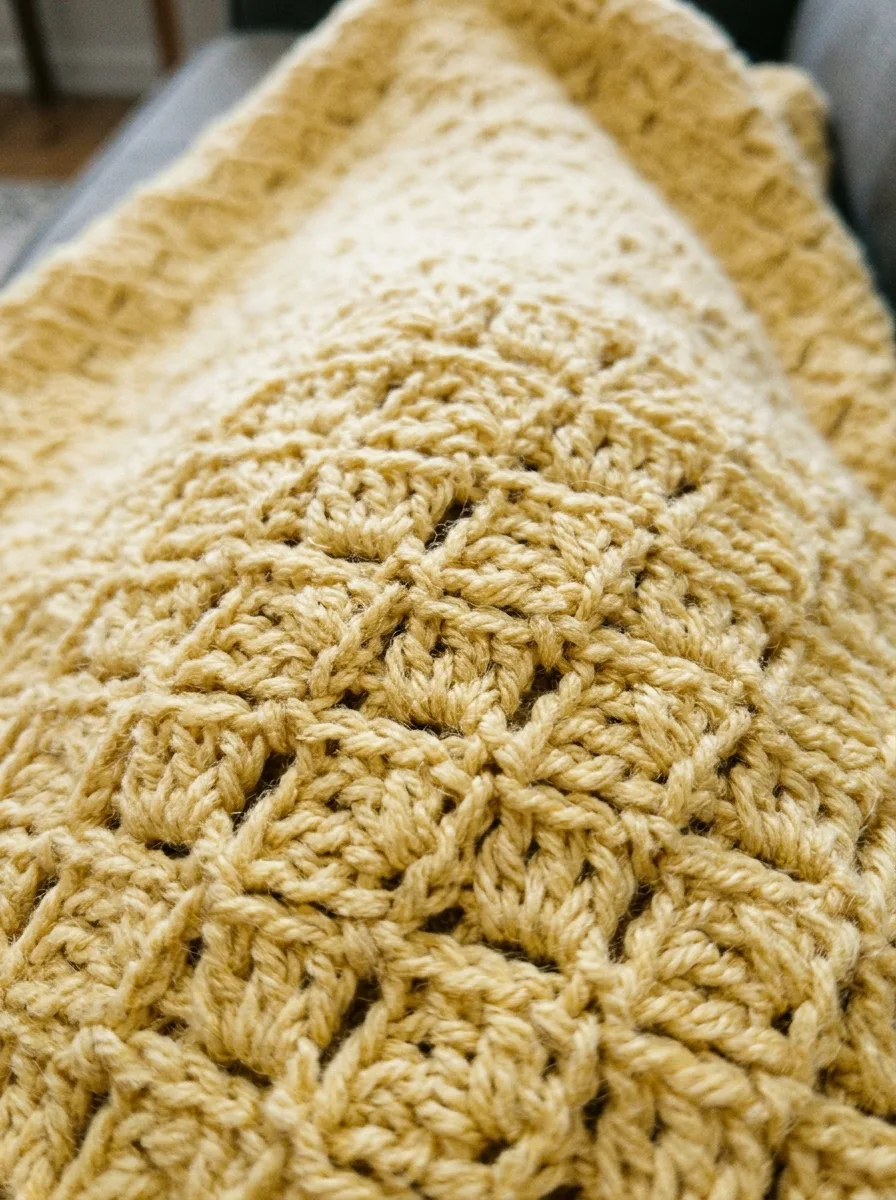
Corner to corner. You start at one corner and work diagonal rows of blocks to the opposite corner. Each block is chain 3 and 3 double crochet. It is the technique behind most pixel-art blankets.
How do I read a C2C graph?
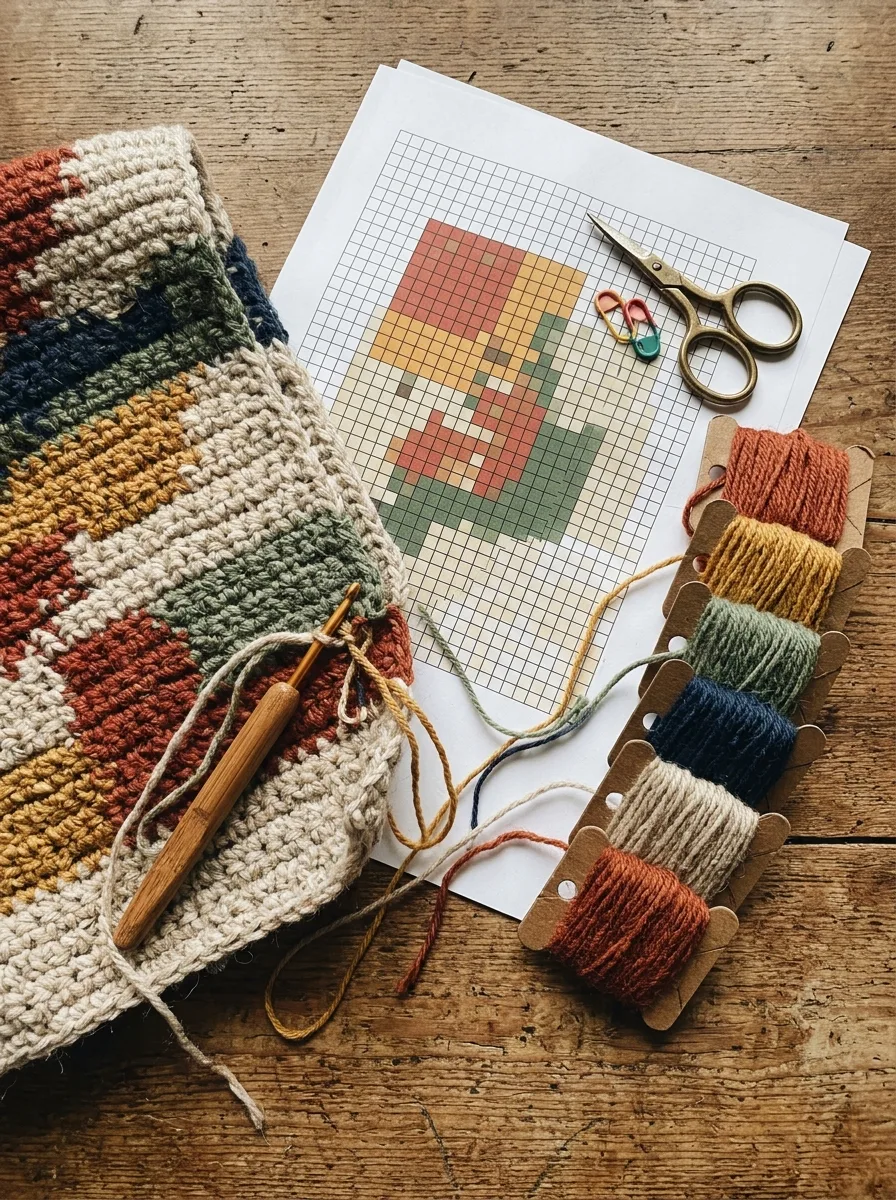
Each graph square is one block. Start at the corner marked as the start (usually bottom right) and read the diagonals one at a time, alternating direction with each row. The number of blocks per row is 1, 2, 3 and so on until you reach the width.
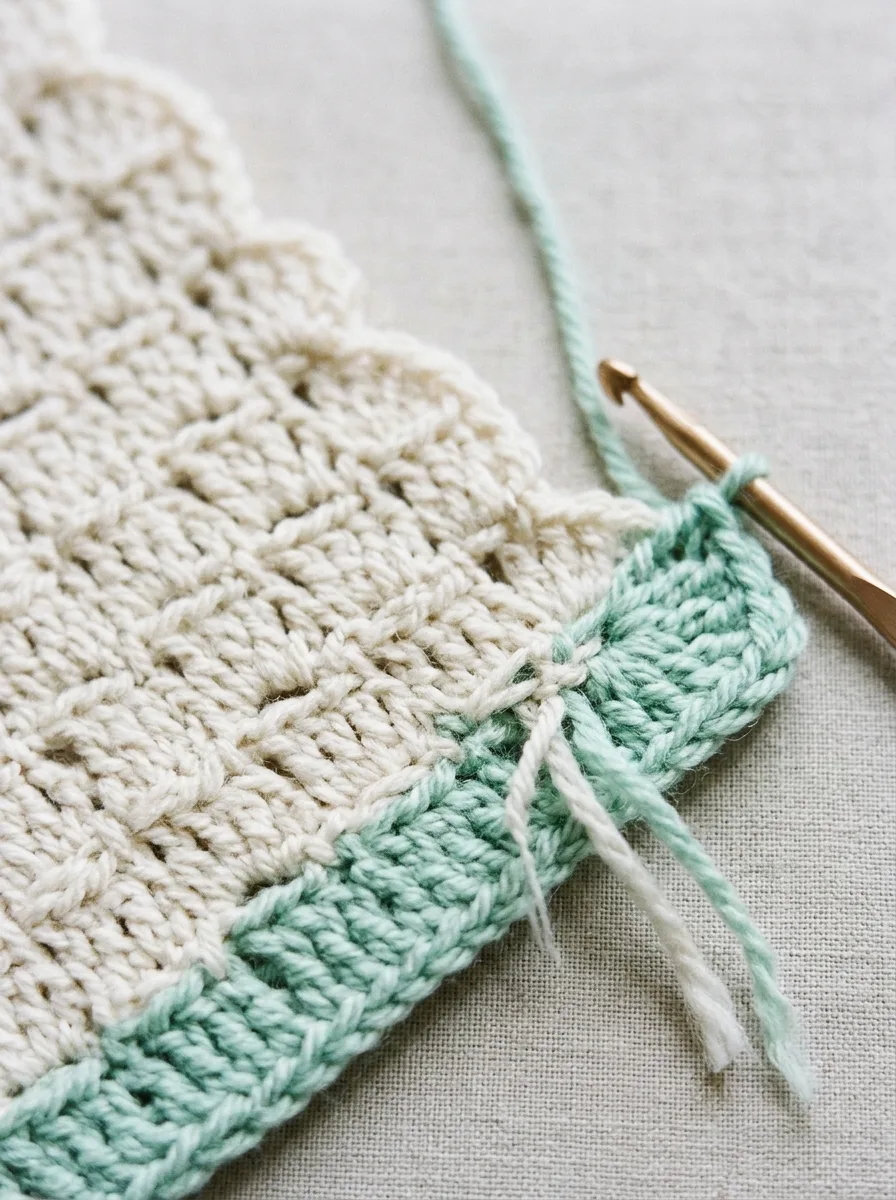
Change color on the last yarn-over of the block before the new color: pull the new color through the last two loops of the final dc. Use a bobbin for each section so the yarn does not tangle.
How do I make C2C rectangles, not squares?
Increase until you reach the shorter side, then work without increasing or decreasing (one row of the same block count for each extra block), then decrease. The pattern below is 11 wide and 10 tall, so Row 11 has the same number of blocks as Row 10.
What are good first C2C projects?
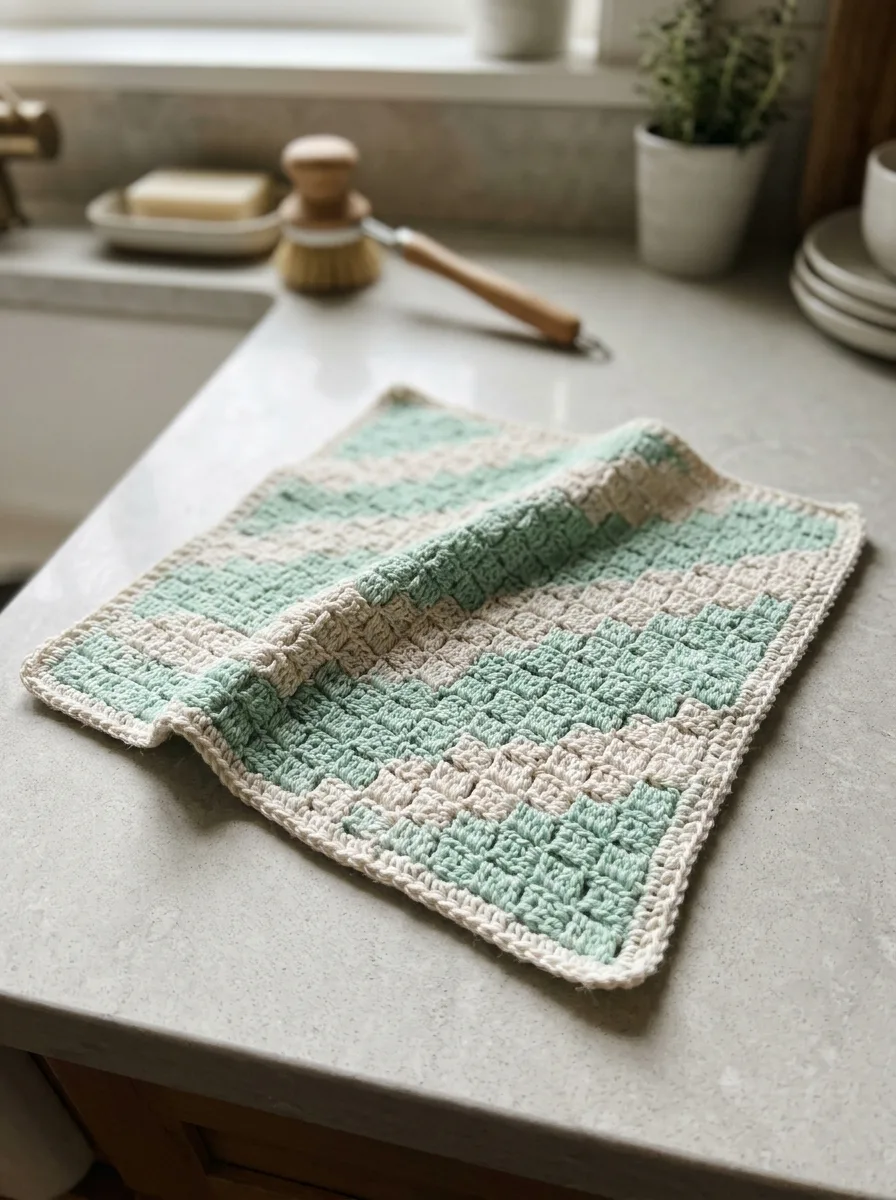
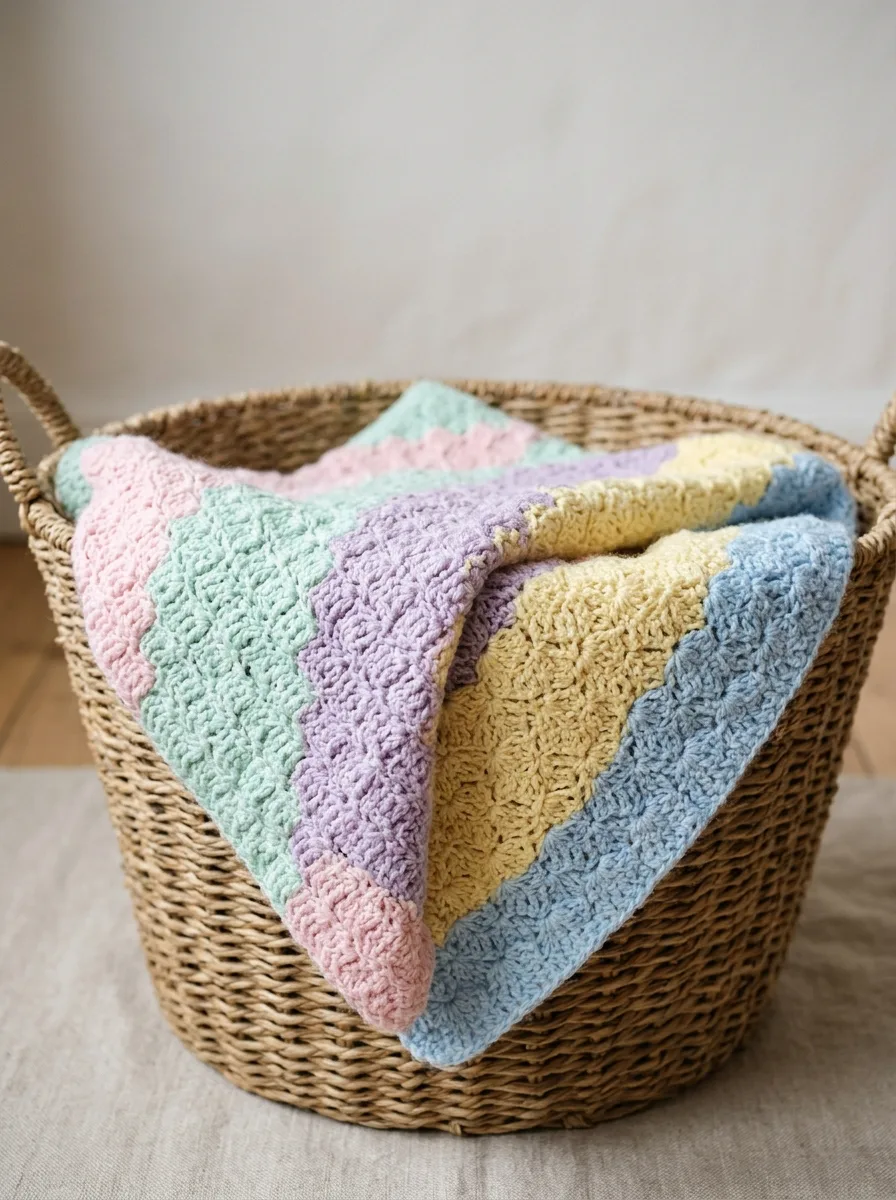
A dishcloth, a baby blanket and a cushion cover. A small square teaches the whole technique in one evening.