Crochet Blanket Ideas: 15 Styles, Sizes & Stitch Patterns to Choose From
Crochet blanket ideas for every skill level, from granny squares and C2C to waffle, ripple, and chunky throws, with size charts, yarn estimates, and planning tips.
A crochet blanket is the project many people learn to crochet for. It’s big enough to feel like an achievement, forgiving enough for beginners, and genuinely useful for decades. The hardest part is choosing. Below are 15 crochet blanket ideas by style and skill level, plus the size chart and yarn estimates you need to plan one properly.
Blankets Made From Squares
Square-based blankets are portable (you carry one square at a time) and scrap-friendly.
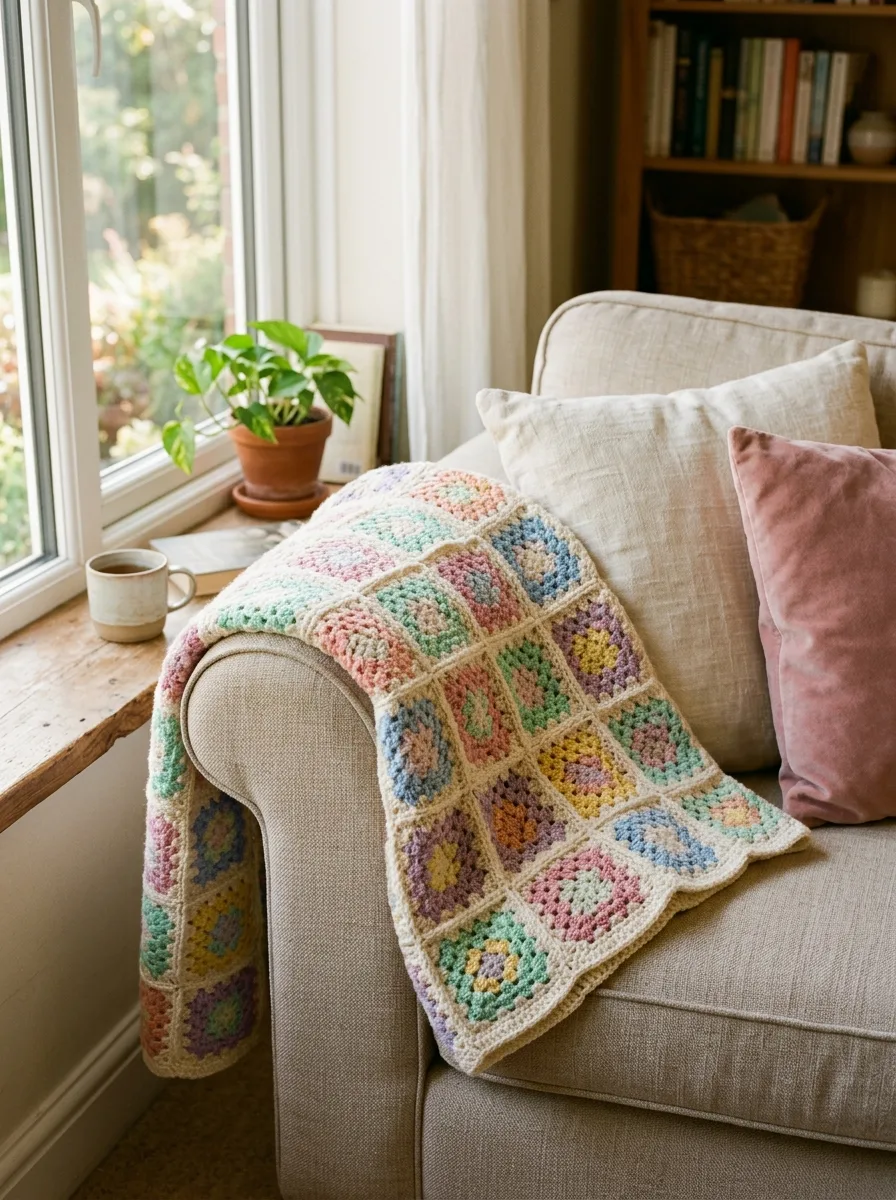
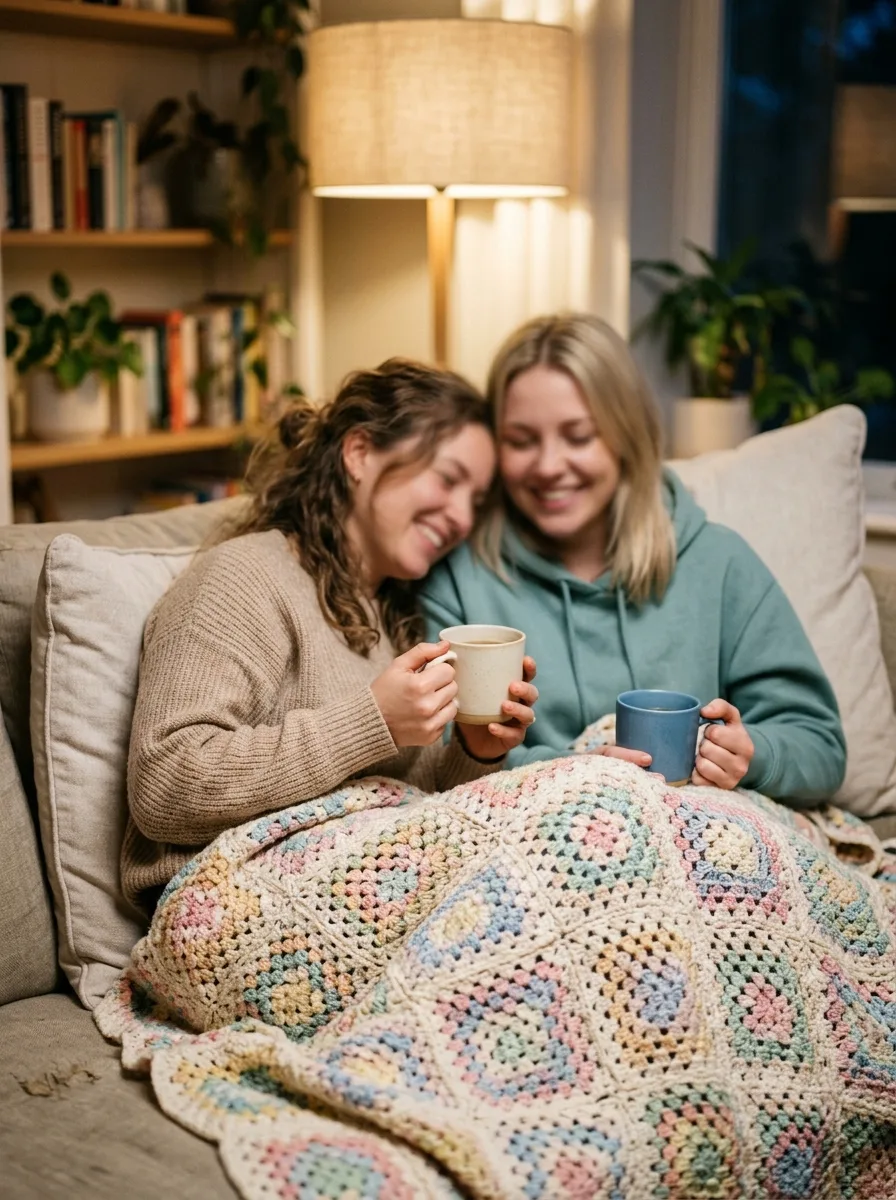
The granny square blanket: portable, scrap-friendly, and endlessly customizable.
Classic granny square blanket. The icon. Start with our free granny square pattern and join 48+ squares.
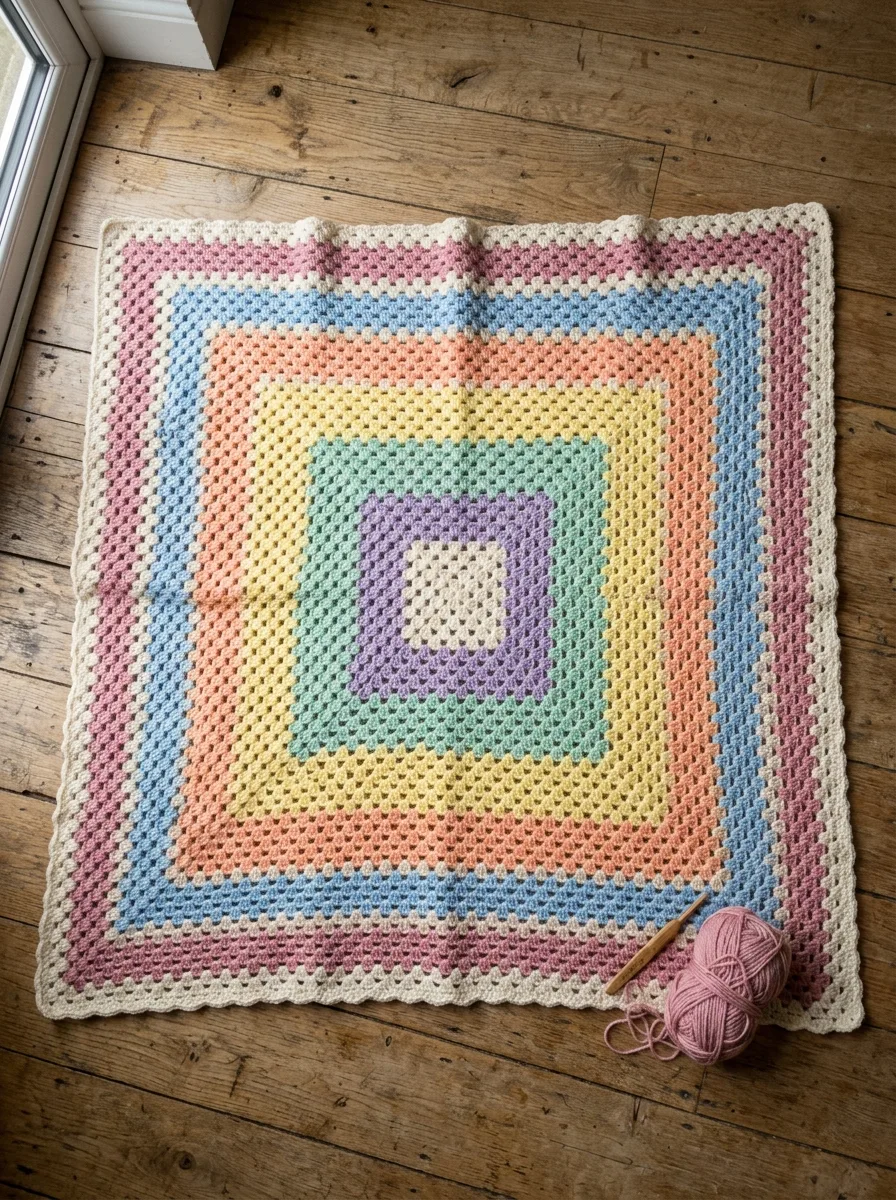
Giant granny square. One square, worked until it’s blanket-sized, with no joining at all. It’s perfect for TV crocheting because the rhythm never changes.
The giant granny square: one square, worked round and round until it's blanket-sized. There are no seams.
Solid granny squares. Squares with no gaps, for a warmer, denser blanket.
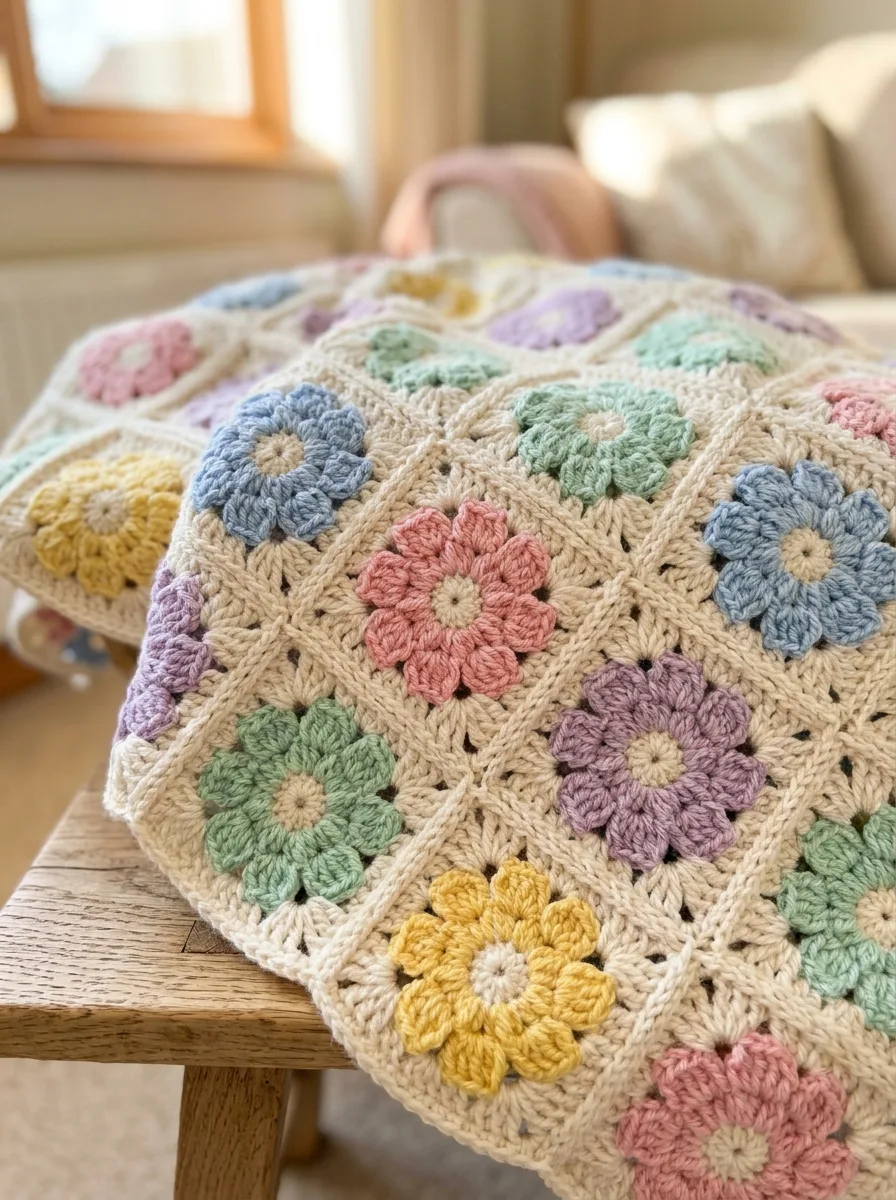
Flower granny squares. Flower centers inside square borders, like a meadow. Pair with ideas from crochet flower ideas.
Hexagon blanket. The same idea with six corners, which gives a honeycomb look.
Blankets Worked in Rows
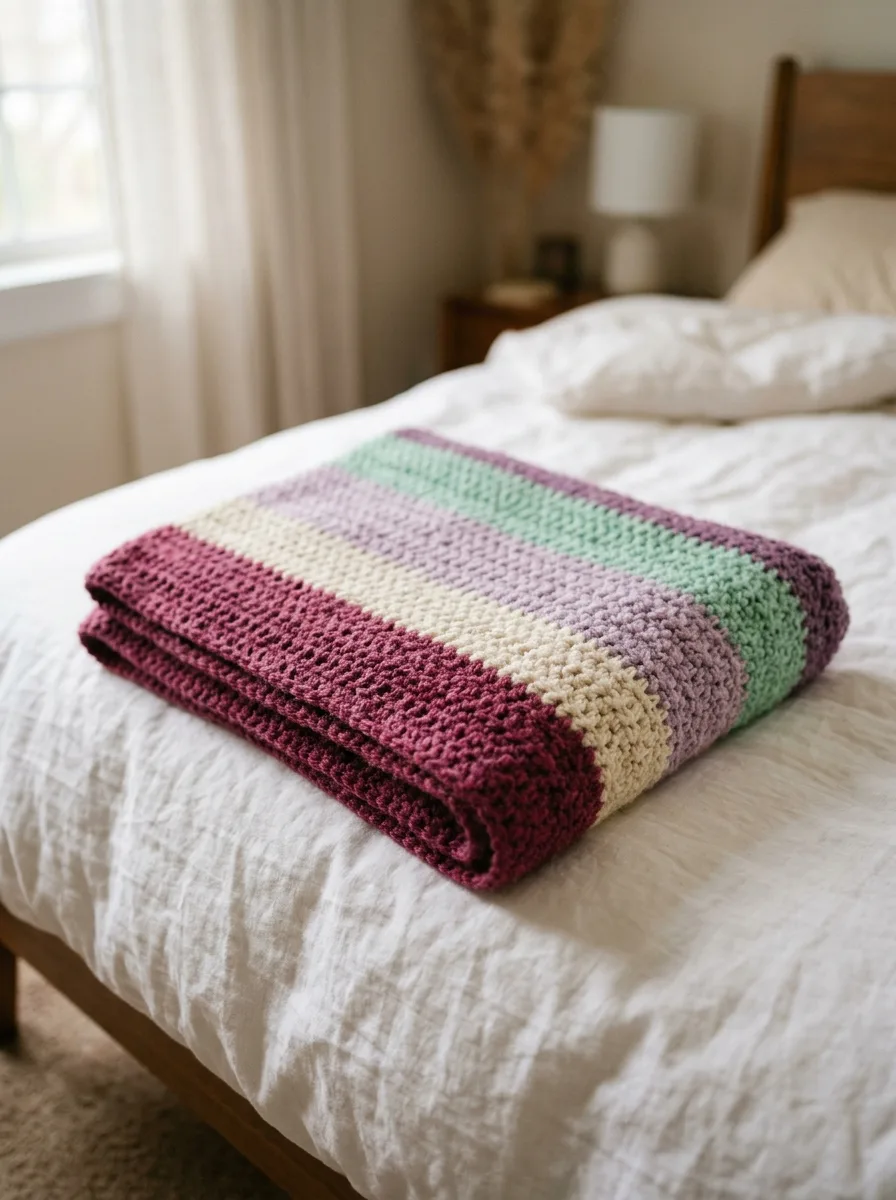
Striped one-stitch blanket. Rows of hdchdc = half double crochetUK: half treble (htr)Yarn over, insert hook, pull up a loop (3 loops), yarn over, pull through all three. or dcdc = double crochetUK: treble (tr)Yarn over, insert, pull up a loop (3 loops), then [yarn over, pull through 2] twice. About twice as tall as sc. with color changes every few rows. It’s the easiest blanket there is.
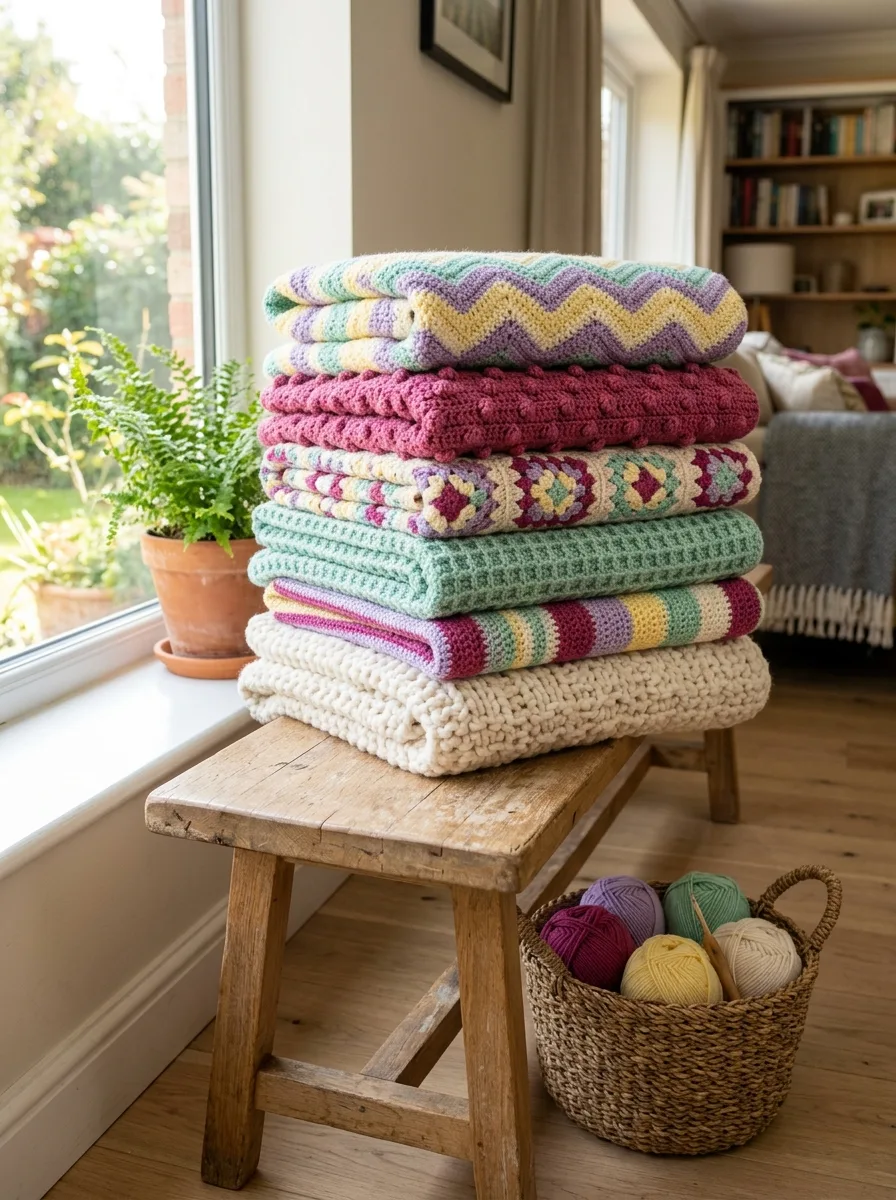
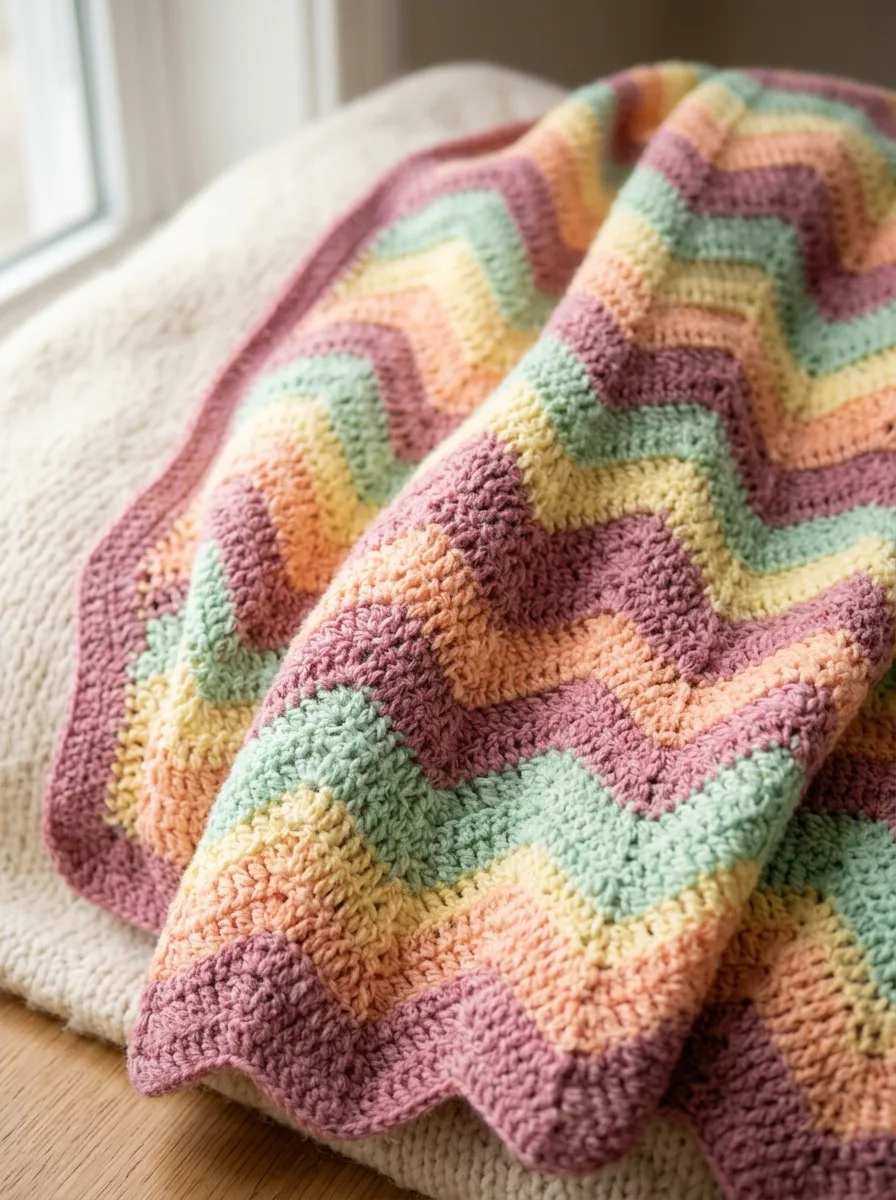
Ripple (chevron) blankets make waves with increases and decreases, a classic that suits color gradients.
Moss (linen) stitch blanket. Alternating sc and ch 1 for a woven look with lovely drape.
Baby blanket in one stitch. Soft, simple, and calming to make. See our easy crochet baby blanket with a free pattern.
Textured Blankets
These take more yarn and time, but they look incredible.
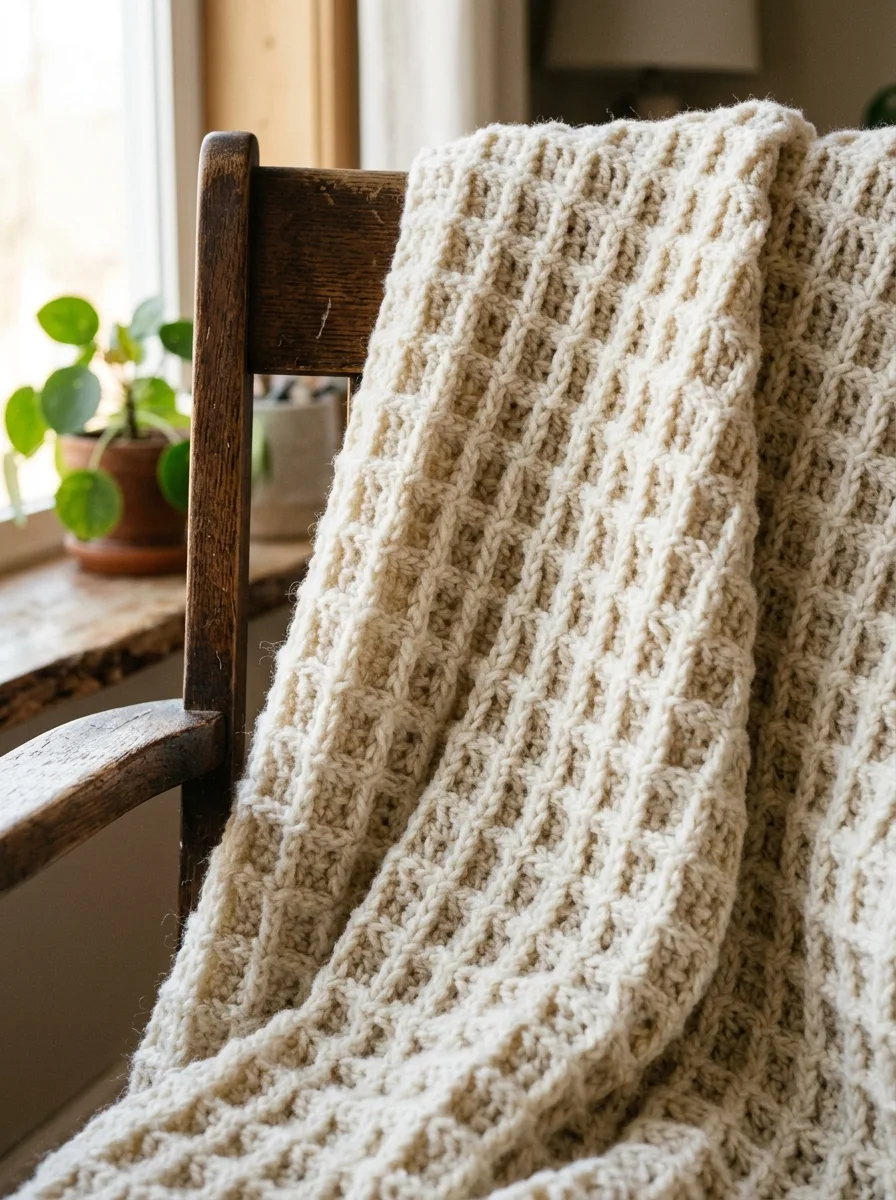
Waffle stitch. Alternating FPdcFPdc = front post double crochetUK: front post treble (FPtr)Work a dc around the post of the stitch from the front instead of into its top. Makes raised ribbing and cables. and regular dc makes deep 3D squares. It’s thick, warm, and very trendy.
Waffle stitch: deep 3D texture from post stitches. It's thick, warm, and very on-trend.
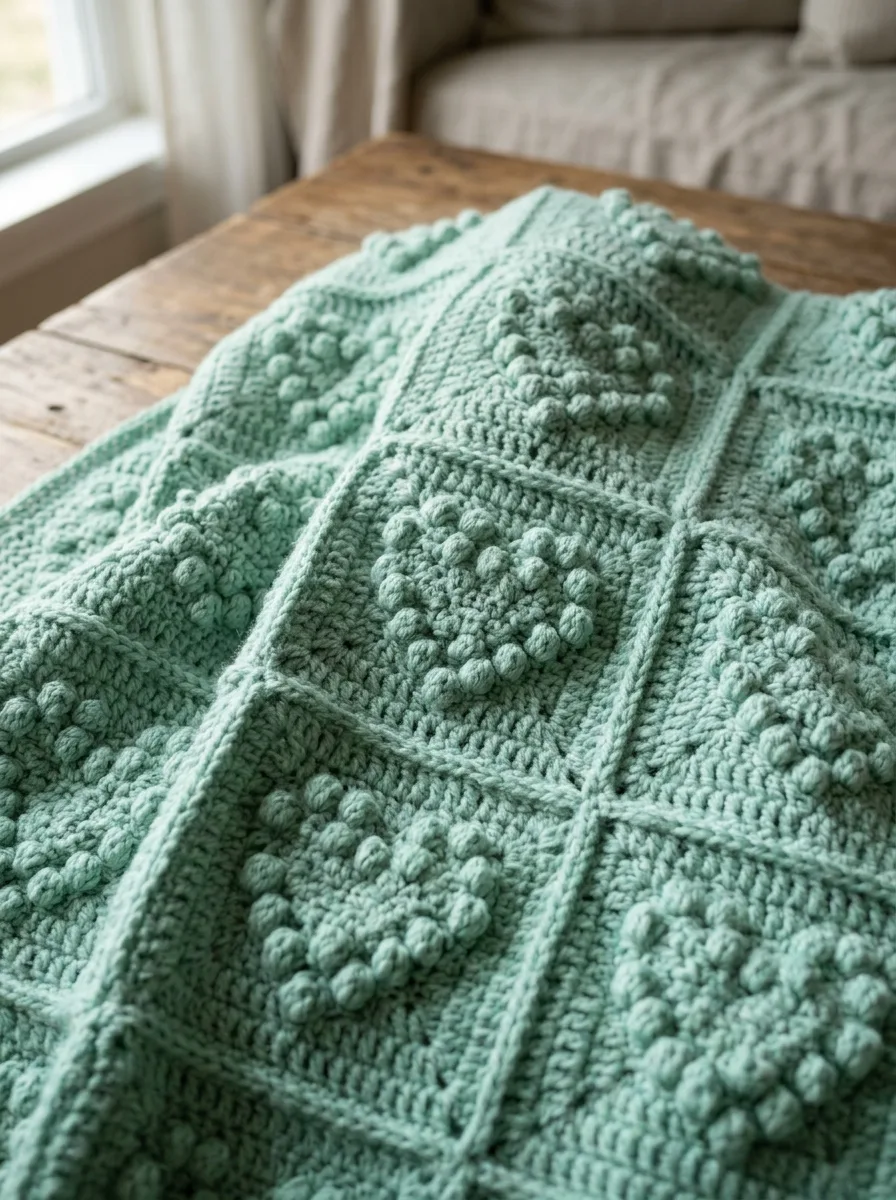
Bobble blanket. Raised bobblebobble = bobble stitchUK: bobble stitchSeveral unfinished dc worked into one stitch, then closed together, so they pop out as a round bump. motifs like hearts, diamonds, or rows.
Puff stitch blanket. Soft, squishy, and luxurious in chunky yarn.
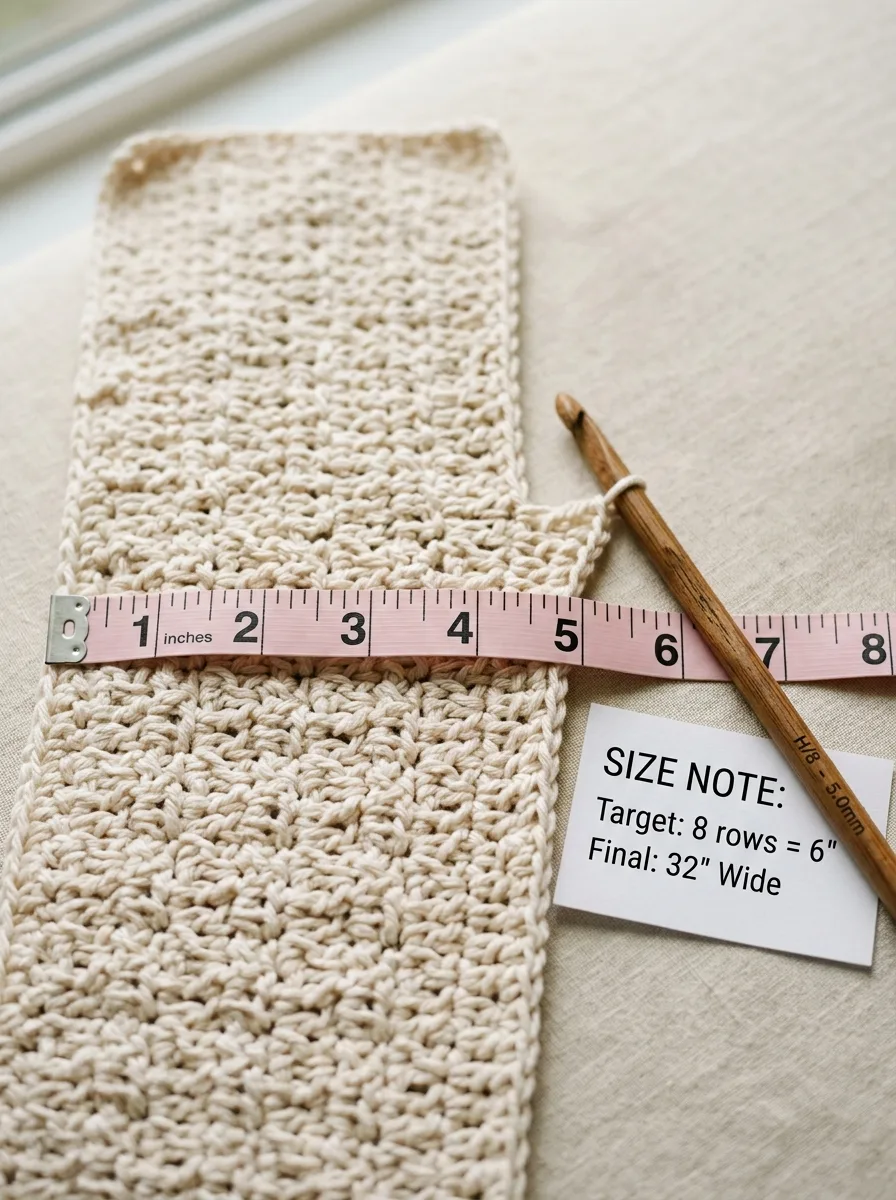
Measure your first rows, not your hopes. Width set at the start is width forever.
Measure after 10 rows (or after your first few squares, blocked). Width is fixed from the first row, so check it before you commit hundreds of hours.
How Much Yarn Do You Need?
In worsted weight, for simple stitches: about 900–1,200 m for a baby blanket, 1,800–2,400 m for a lap throw, and 3,500–4,500 m for a twin. Add 30–50% for textured stitches like bobbles and waffle.
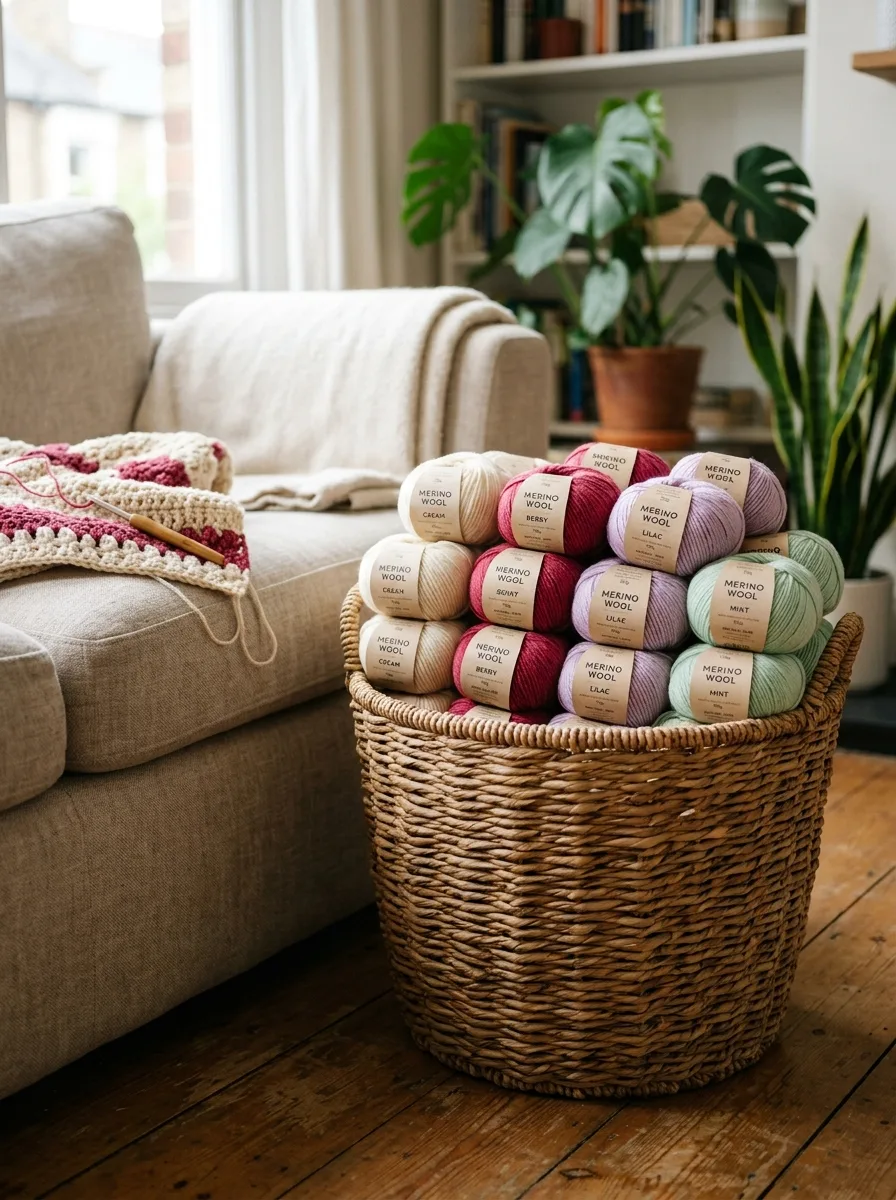
Buy all your yarn at once, from the same dye lot, plus one extra skein per color.
Buy all your yarn at once, from the same dye lot, with one extra skein per color. Colors vary between batches, and a stripe from a different lot can stand out across the whole blanket. Our yarn guide explains how to read the label.
Tips for Finishing a Blanket (and Actually Finishing It)
Weave in ends as you go, a few each session, rather than 200 at the end.
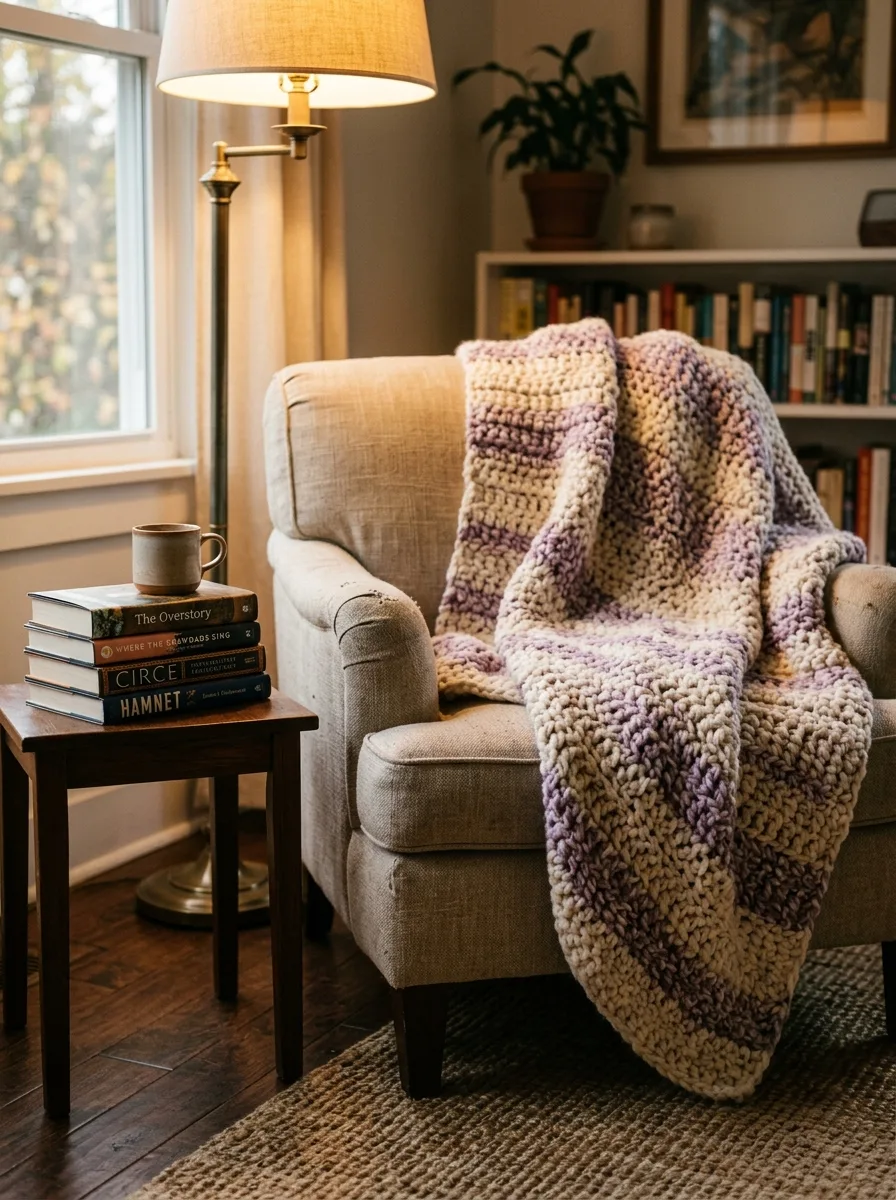
Add a simple border, like a round or two of sc or a shell edge. It hides uneven edges and frames the whole blanket.
Keep a “blanket bag” with everything in it, so you can pick it up in spare moments.
Pick a stitch you enjoy. You’ll do it thousands of times.
What's the easiest crochet blanket for a beginner?
A striped blanket in one simple stitch (half double or double crochet) worked in rows. There's no shaping, no joining, and very little counting. A granny square blanket is a close second because every square is a small, quick win.
Roughly, in worsted-weight yarn: a baby blanket uses 900–1,200 m, a lap throw 1,800–2,400 m, and a twin bed blanket 3,500–4,500 m. Textured stitches (bobbles, waffle, puff) can use 30–50% more. Always buy an extra skein per color.
How long does it take to crochet a blanket?
A chunky throw can take a weekend; a worsted lap throw typically 20–40 hours; a bed-size granny blanket 60–100 hours. Chunky yarn and tall stitches are the fastest route.
Which yarn is best for a crochet blanket?
Machine-washable acrylic or a superwash wool blend for everyday blankets, cotton for summer throws, and chenille or super bulky yarn for chunky blankets. For baby blankets, choose a soft, washable yarn labeled for babies.
The stitch count is drifting at the row ends. Count the first few rows, put a marker in the first and last stitch of every row, and check the width with a tape measure every 10 rows.