Bags & Accessories · Hair Accessories
Crochet Headbands: 18 Ideas for Every Hair Type and Season
Crochet headband ideas for every hair type and season, with sizing by head circumference and a free twist headband pattern in four sizes.
5 min read
Headbands are the most-pinned crochet accessory, and they are easy to make. They are small, they use a little yarn and one band takes an evening. This page covers sizing by head circumference, shows 18 ideas for every hair type and season, and ends with a free twist headband pattern in four sizes. For other hair projects, see our crochet hair accessories.
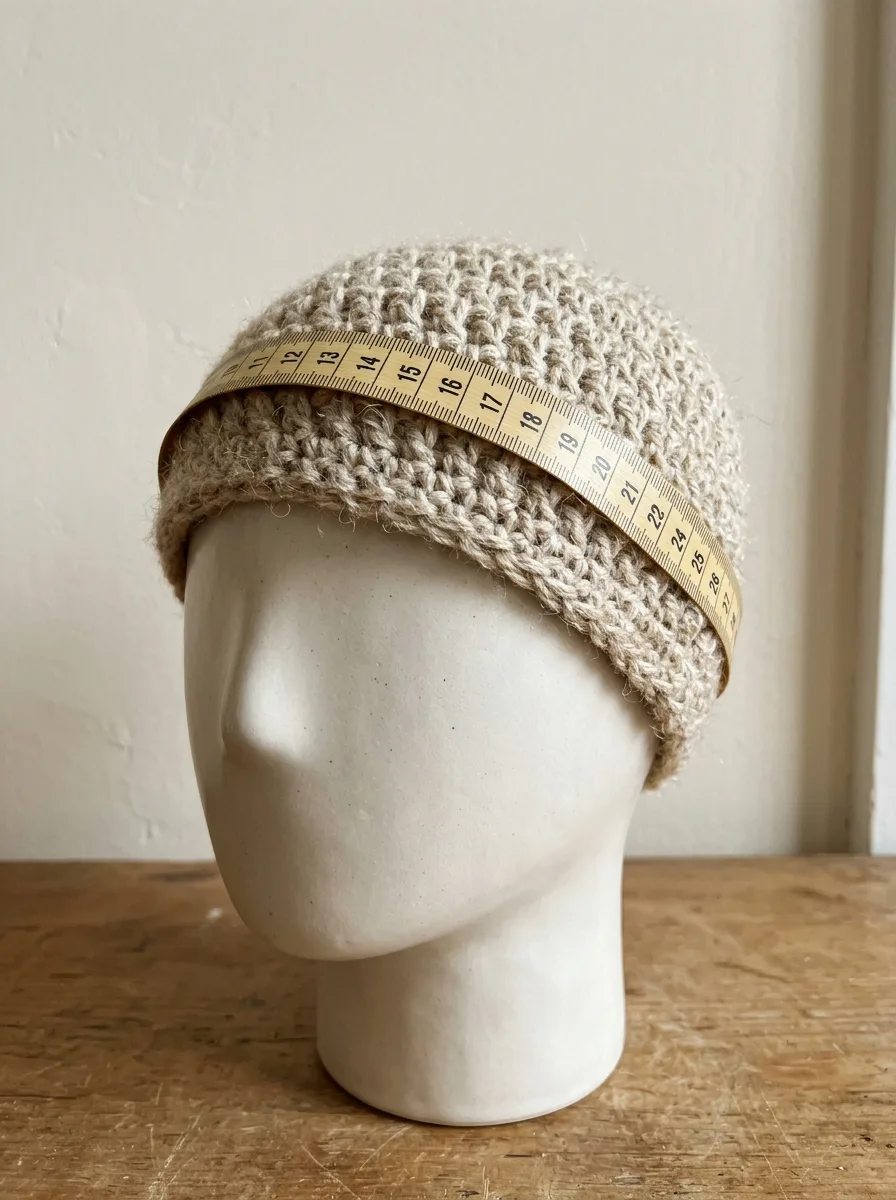
Measure at the hairline and subtract 2 cm for stretch. The band sits at the hairline and above the ears, so measure there, not at the widest part of the head.
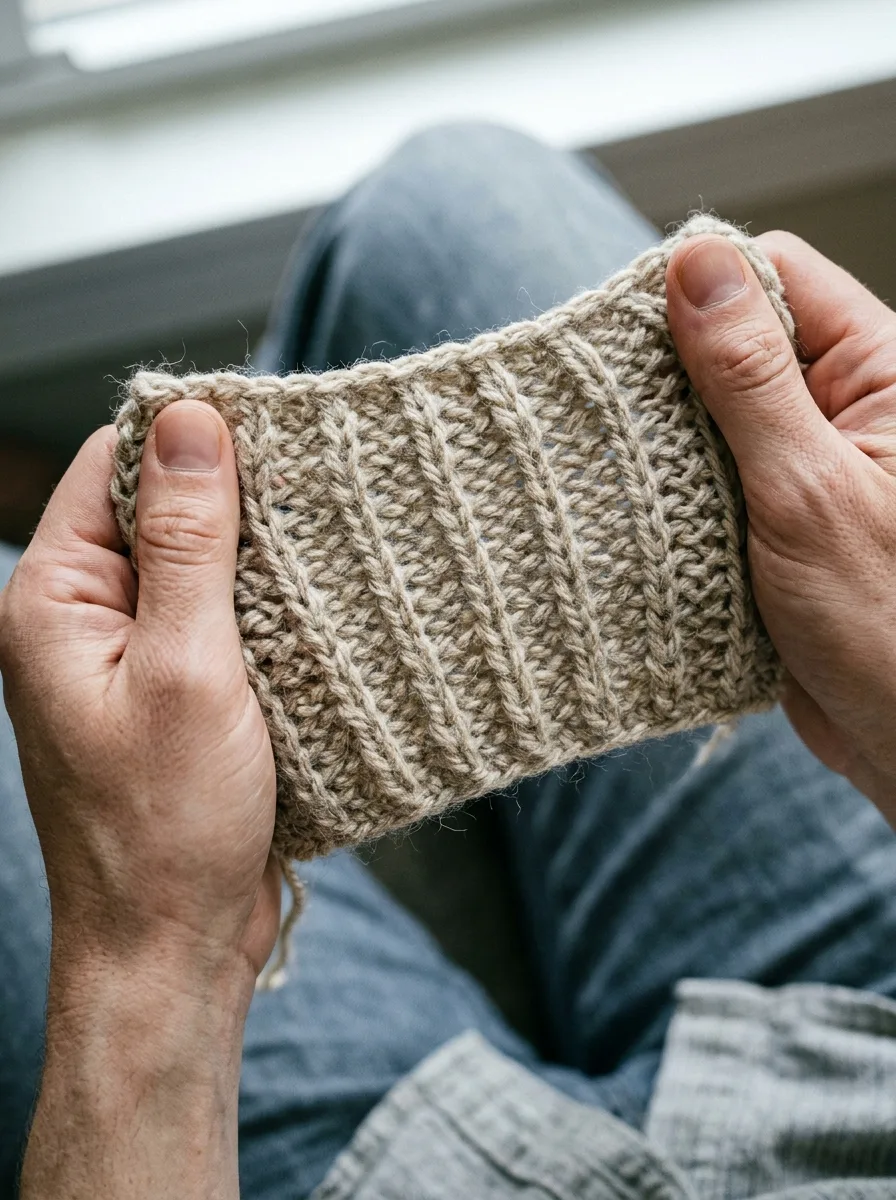
Ribbing stretches comfortably, so one headband fits many head sizes. A ribbed band can be 3 to 4 cm smaller than the head and still feel comfortable.
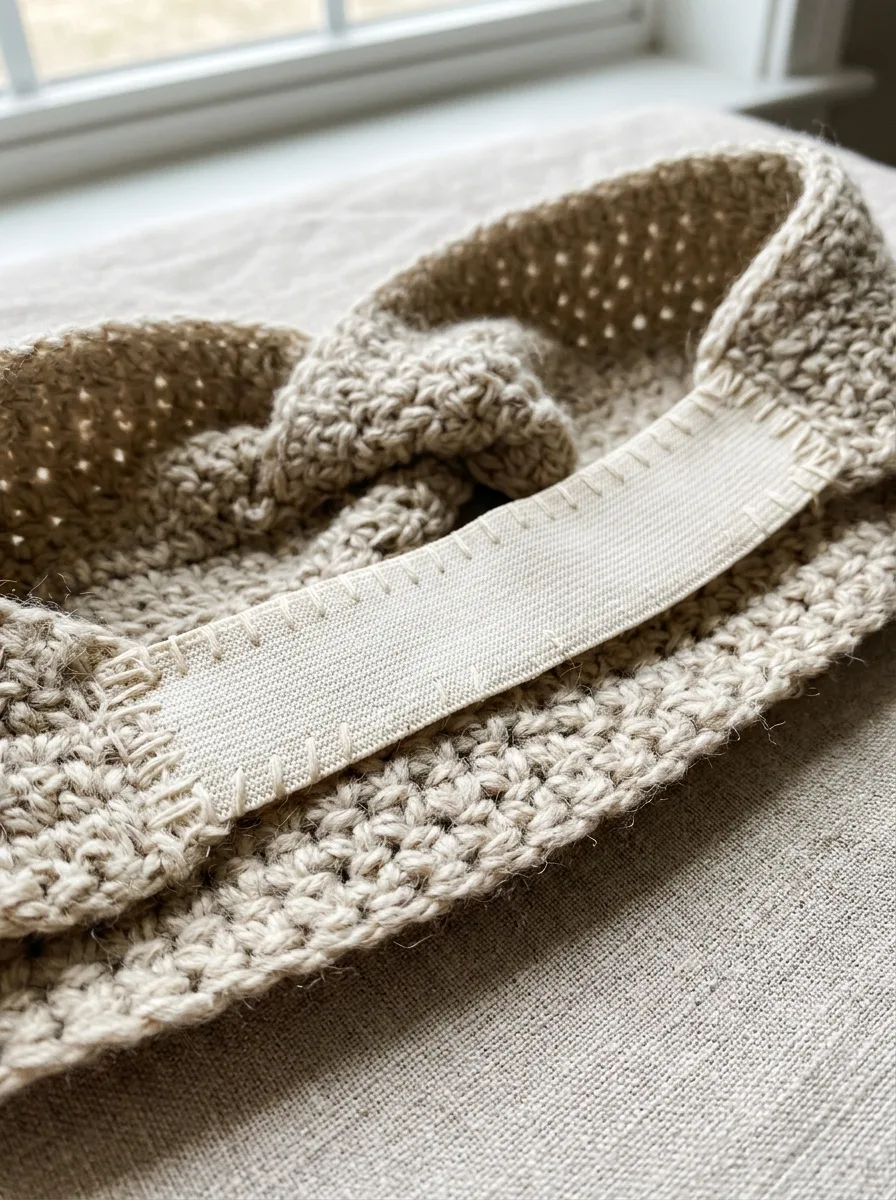
A short elastic at the back stops slipping. Sew 2 cm of elastic inside the seam and the band will hold in place.
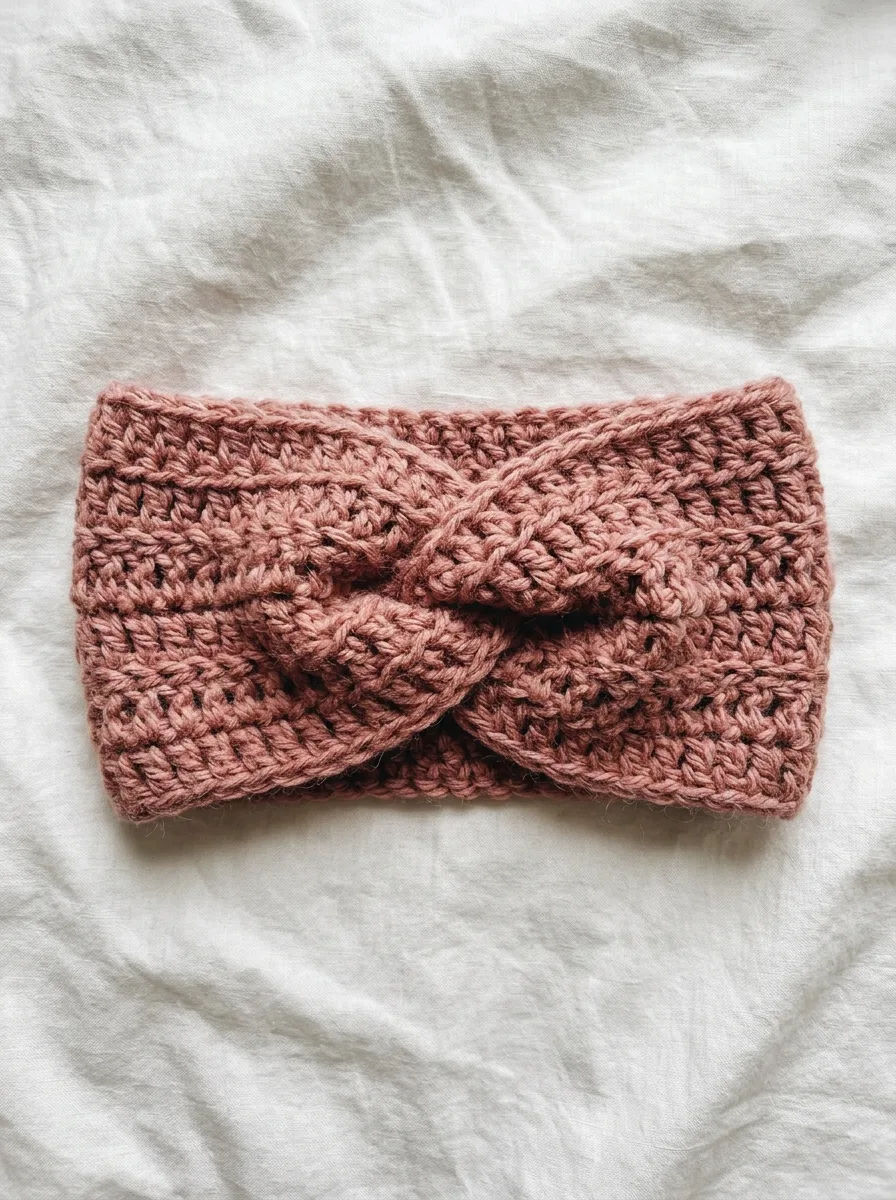
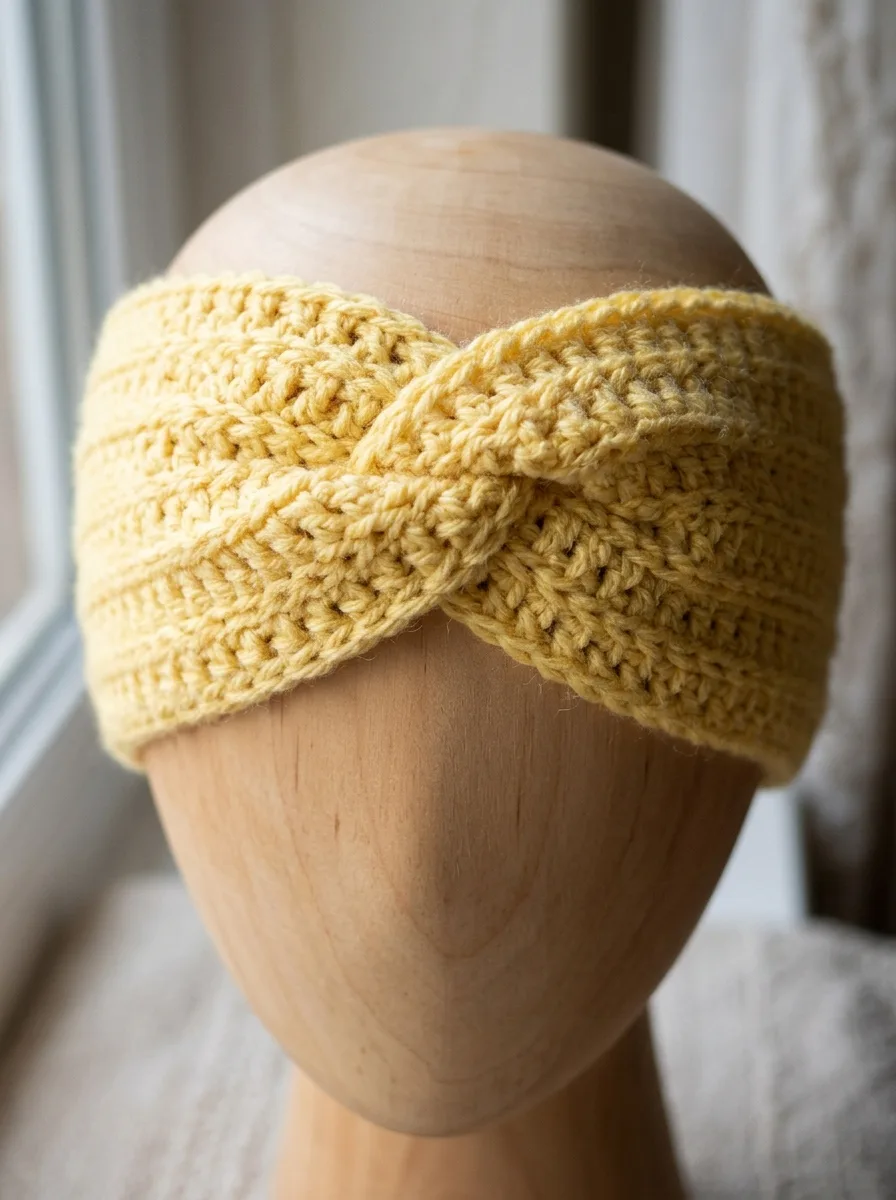
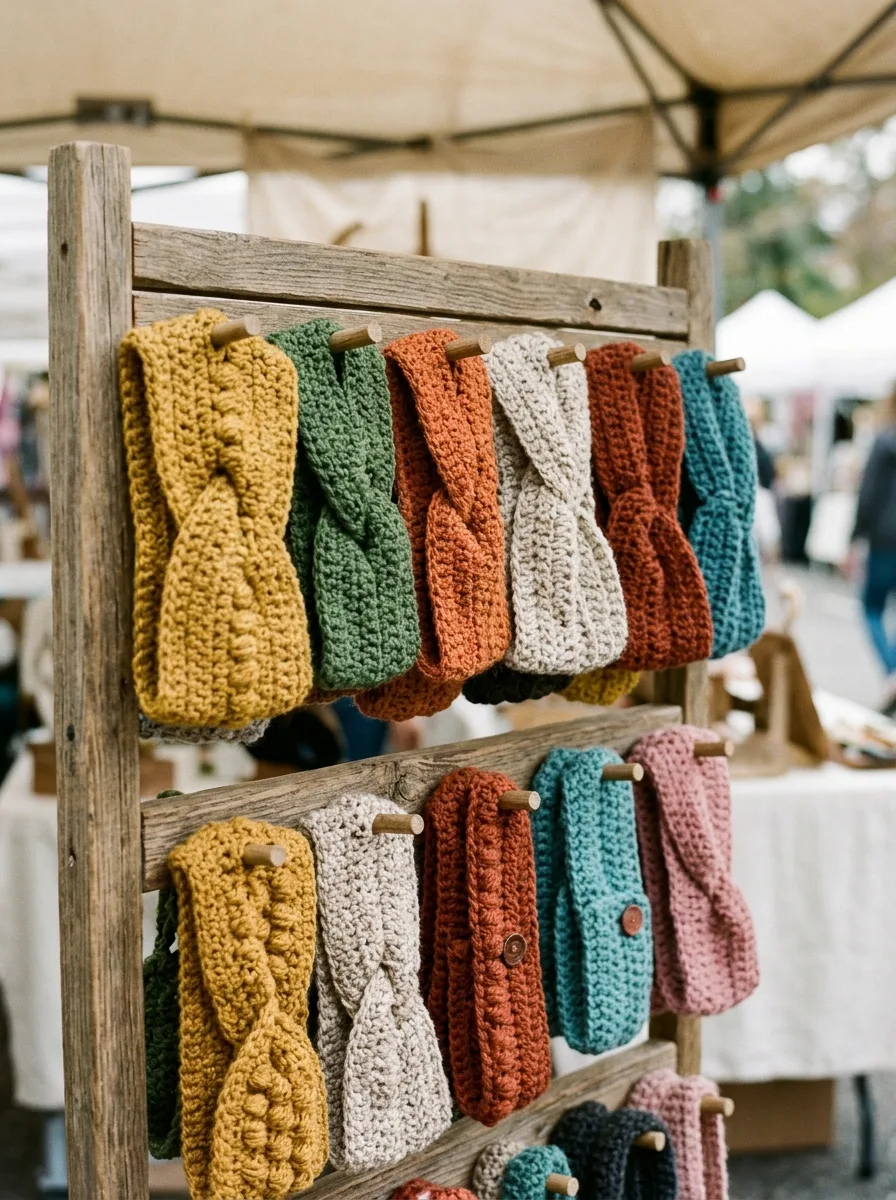
A twist front is a long strip folded once. It is the classic crochet headband and the pattern below makes one.
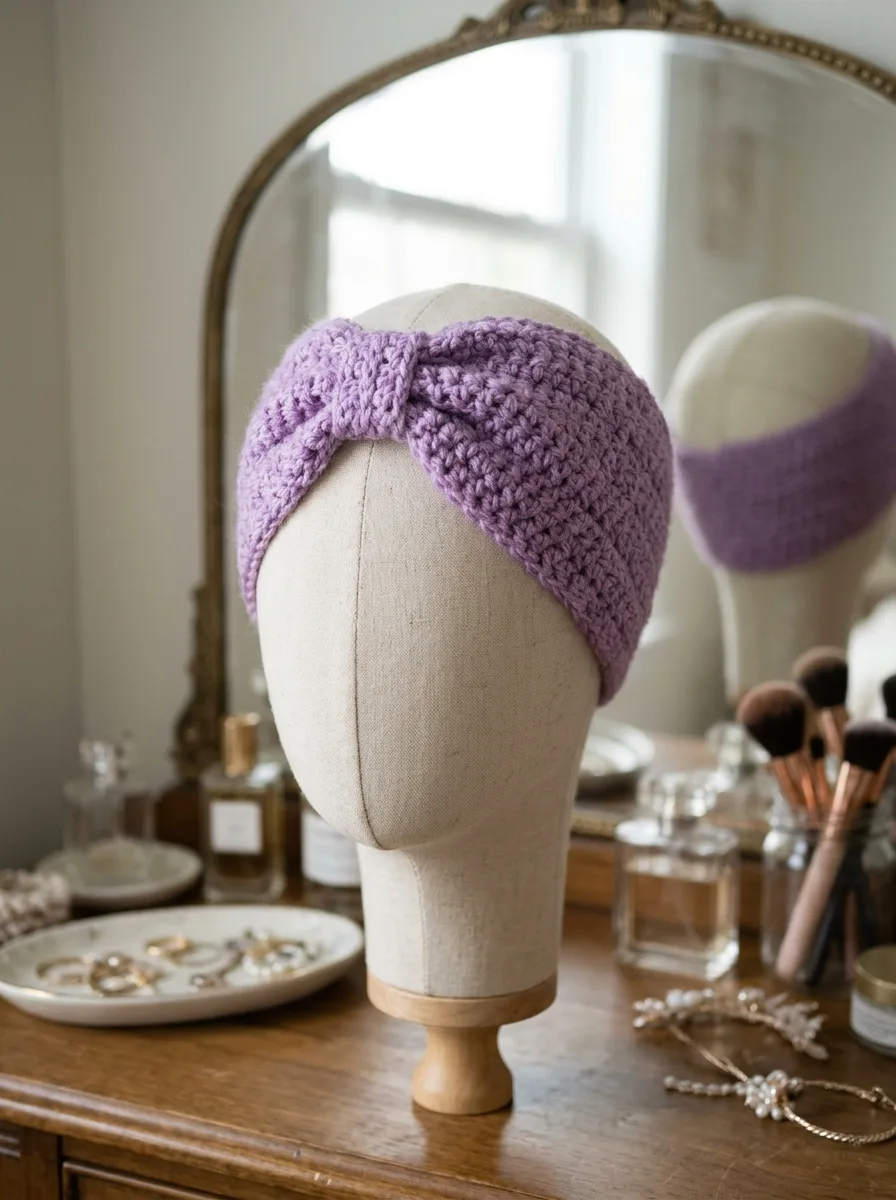
A knot is just a twist you tie: the turban look takes one extra step. Tie the middle of a long strip in a knot, and sew the ends together.
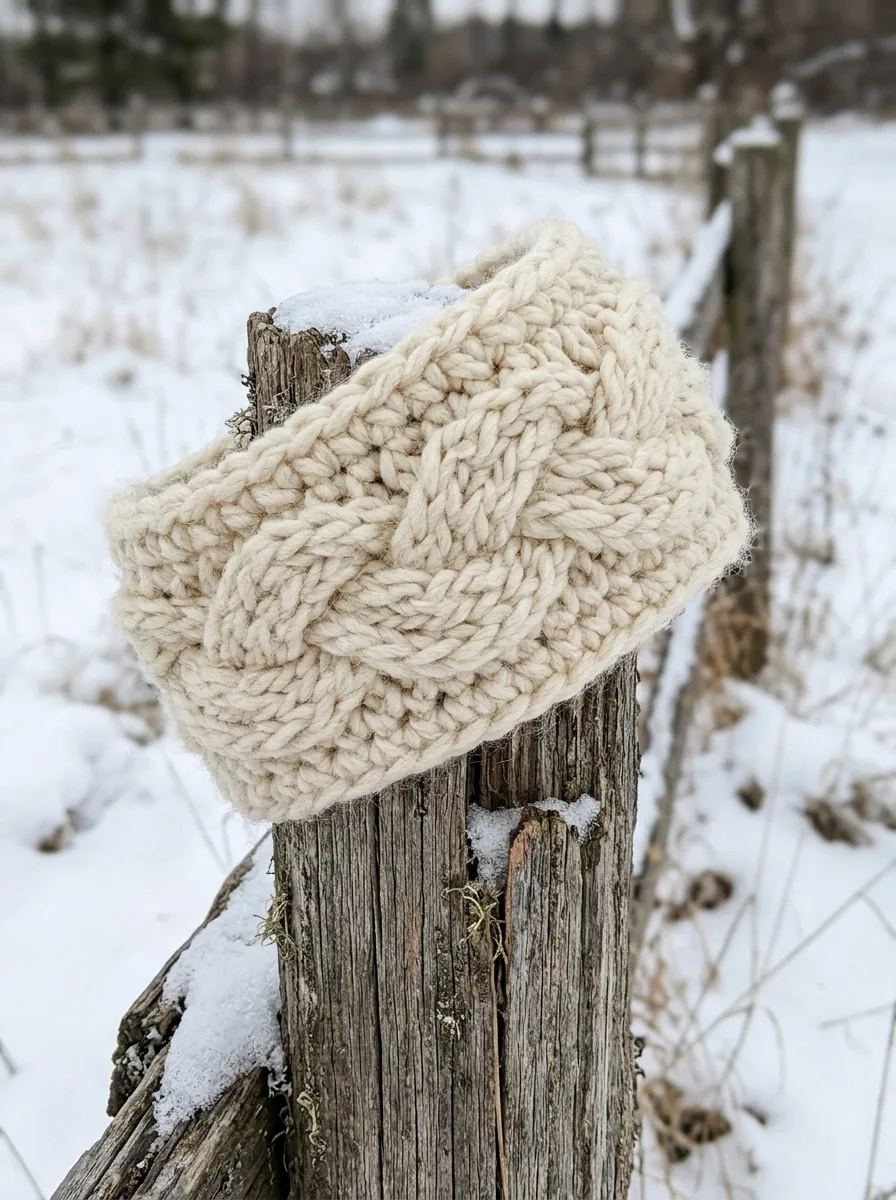
Wide bands feel secure, and they cover the ears in cool weather. A band 10 to 12 cm wide is comfortable all day.
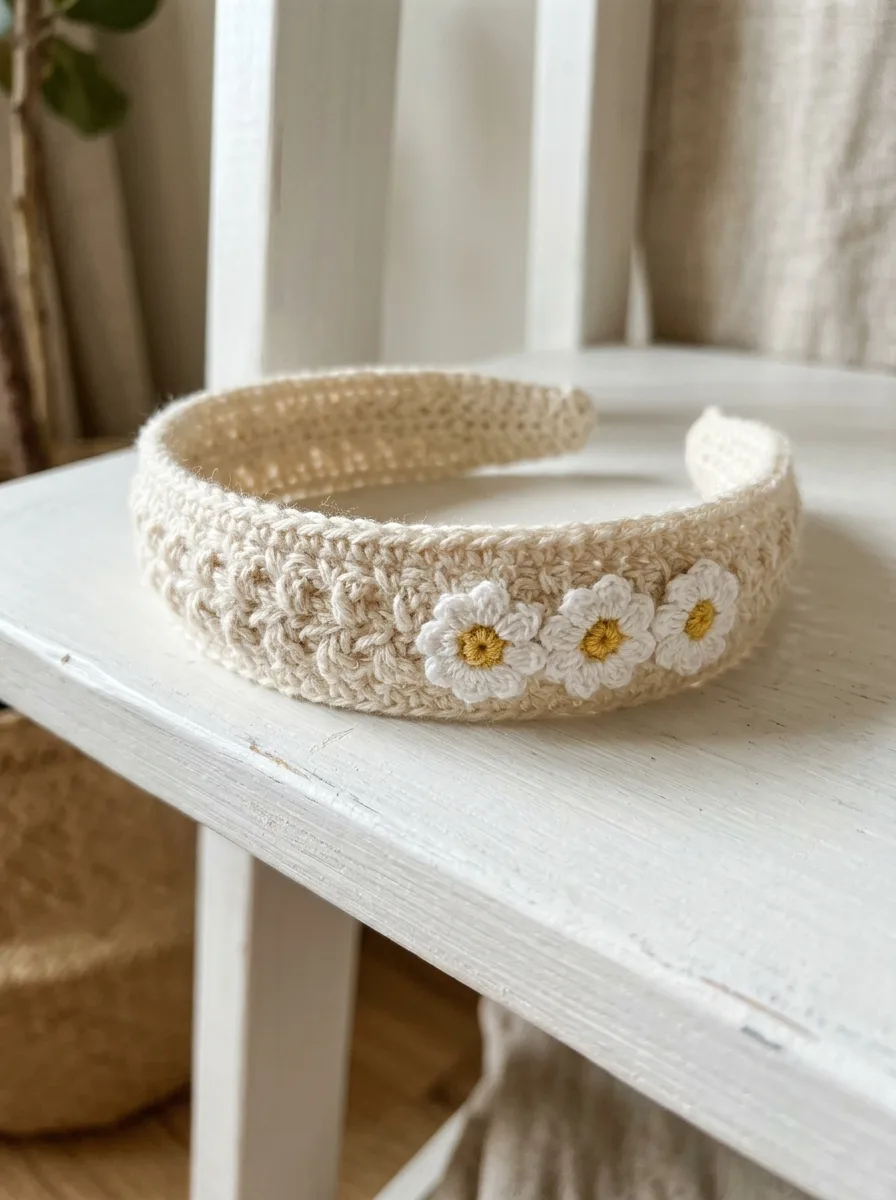
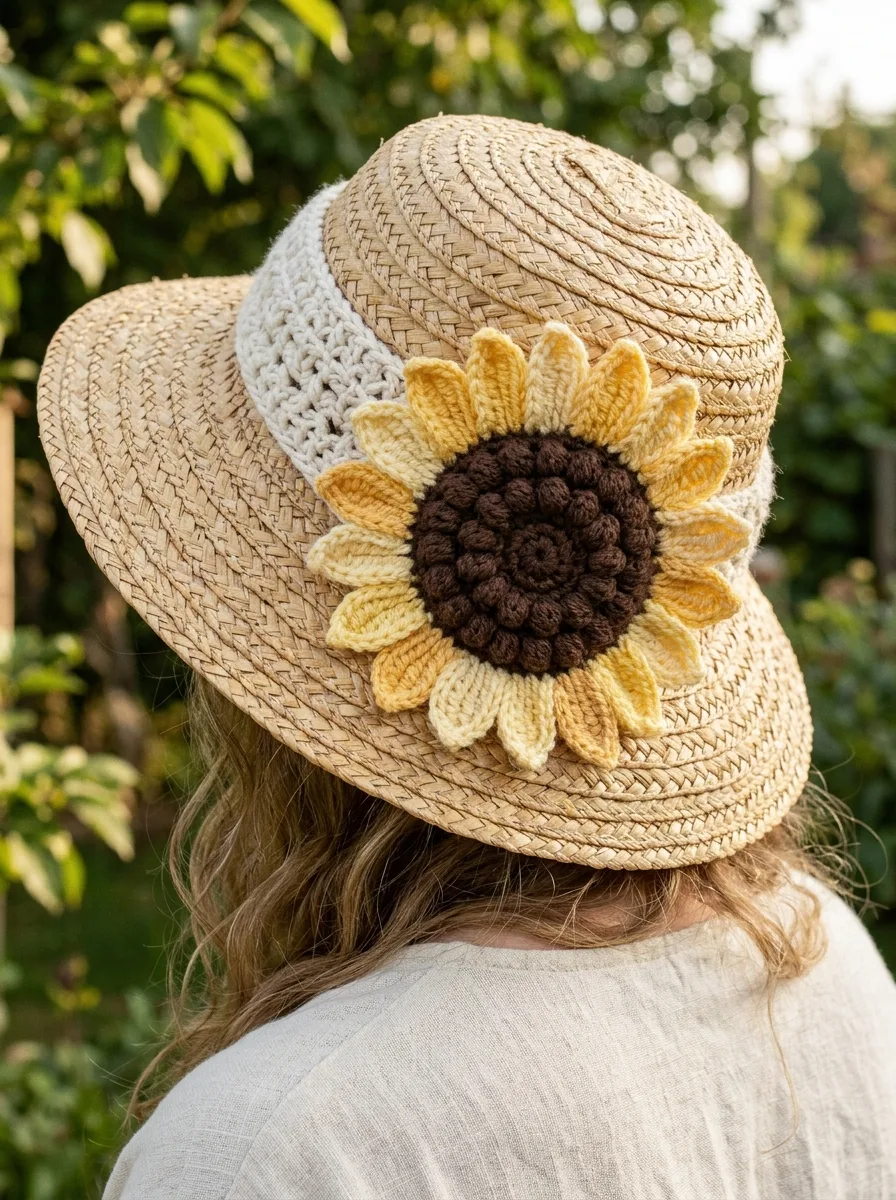
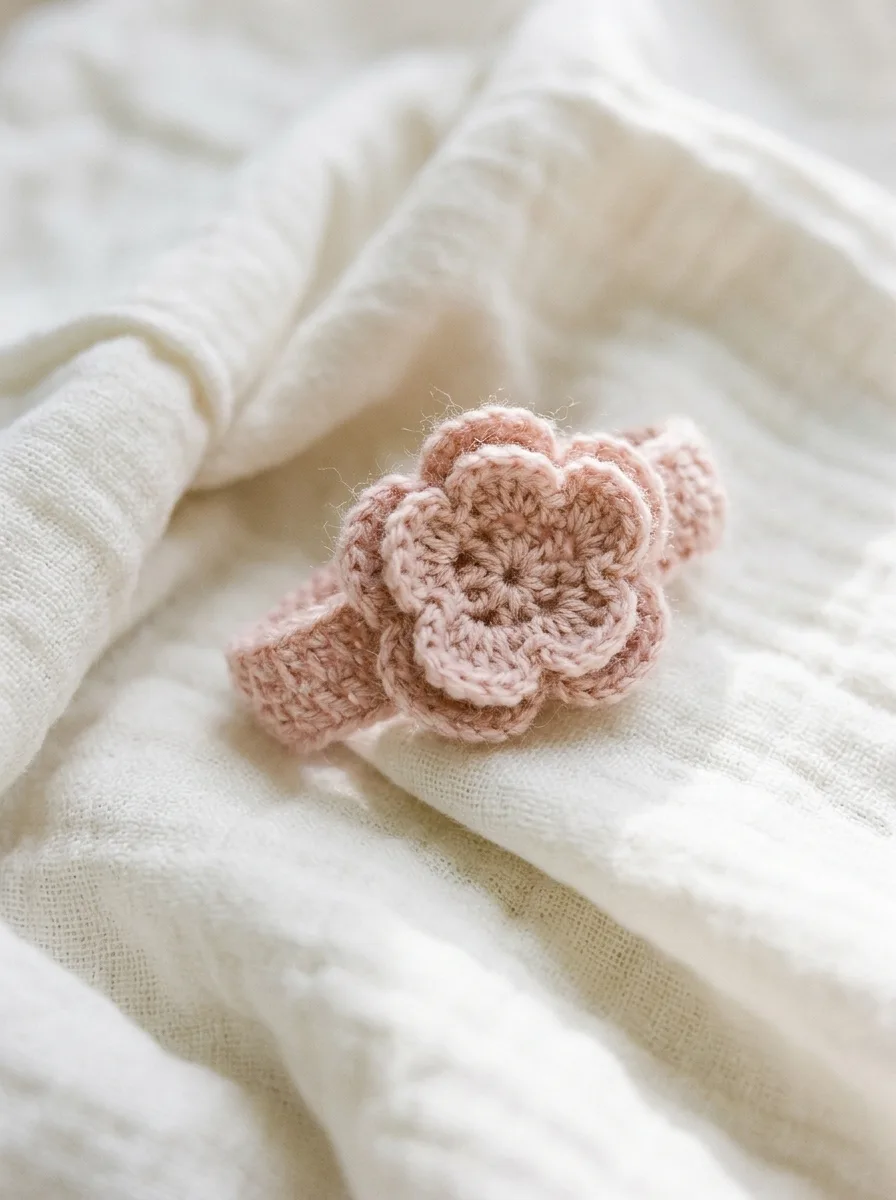
A row of daisies is a simple accent. Sew three or four small daisies to a plain band. See our flower patterns.
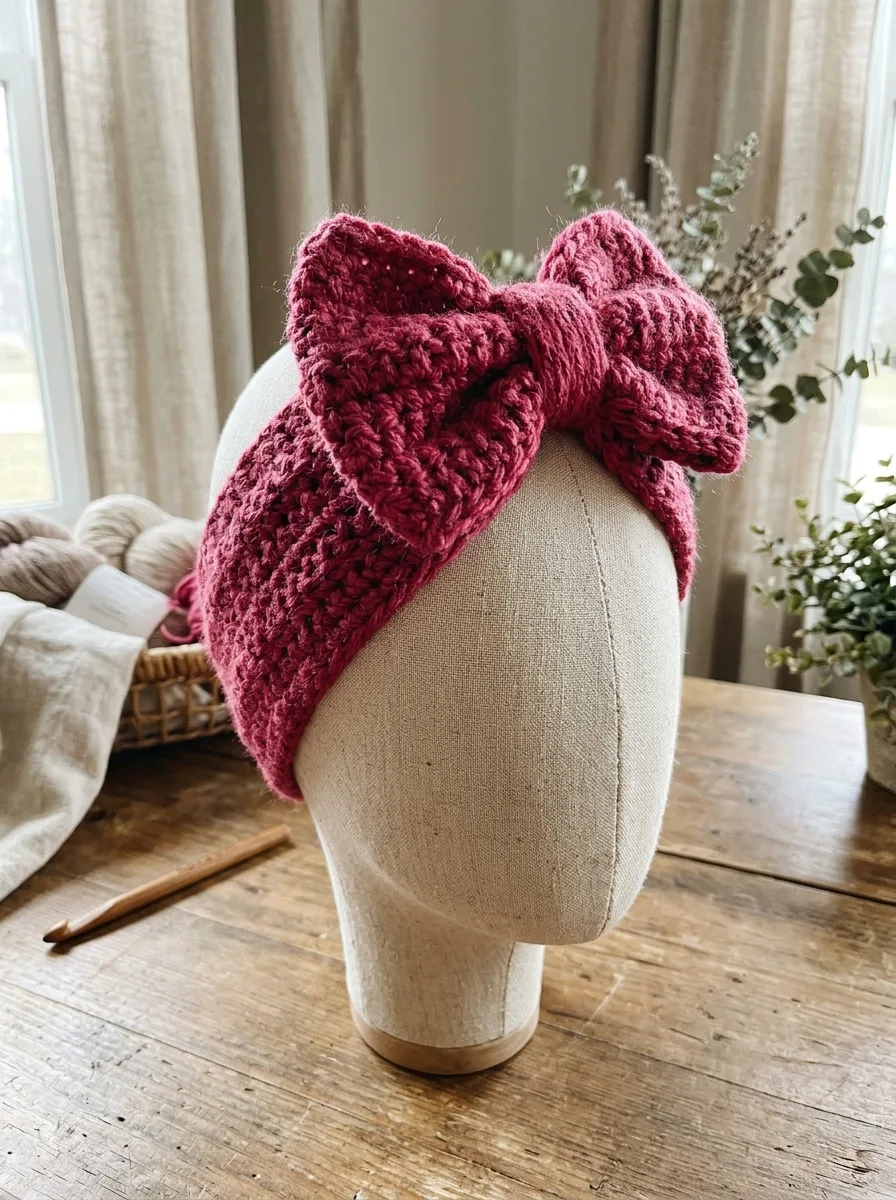
A bow headband is just two loops and a knot, sewn to a simple band. See our crochet bow ideas for a free pattern.
An oversize flower makes a statement. Sew one large flower at the side, and keep the band plain.
A wide ear-warmer band covers the ears and keeps the cold out. Make it 12 to 14 cm wide, and it works over a ponytail.
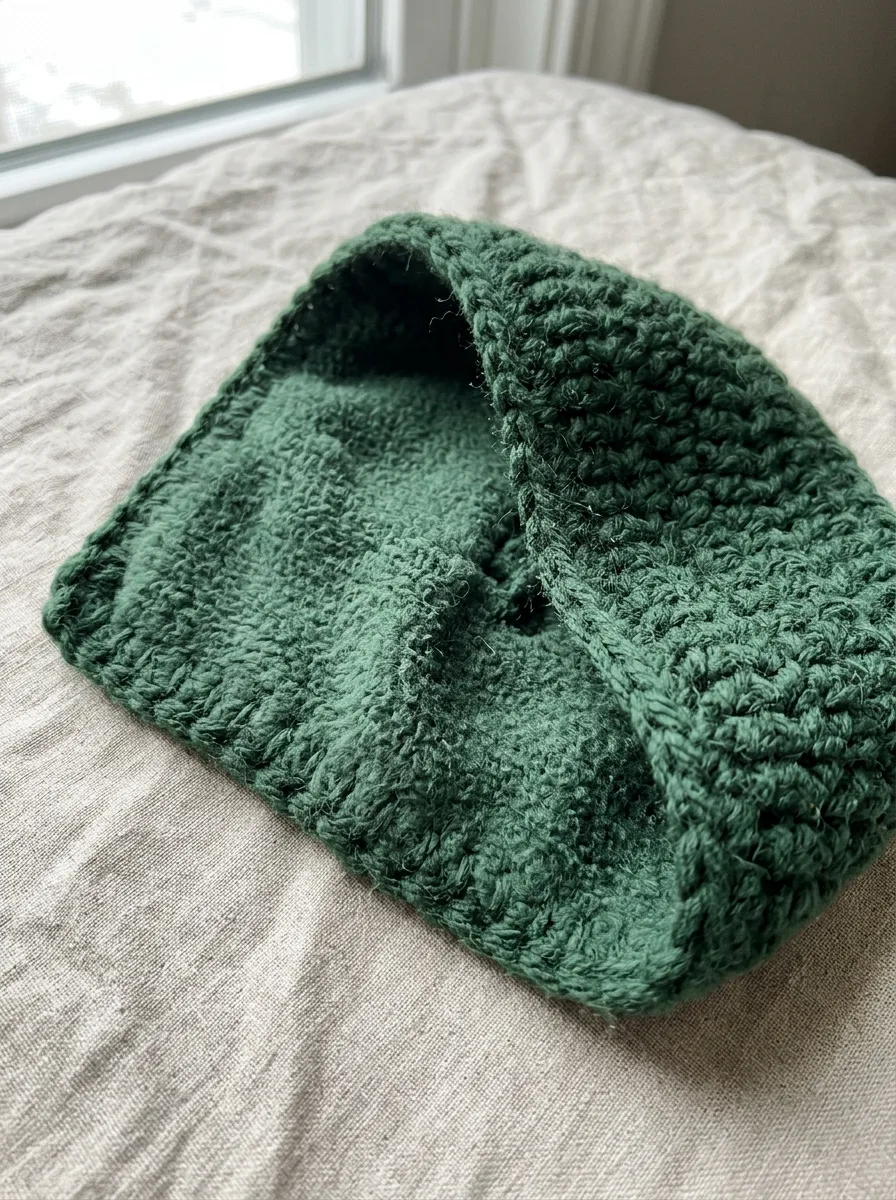
A fleece lining adds warmth without adding bulk to the band. Sew a strip of fleece inside the ring.
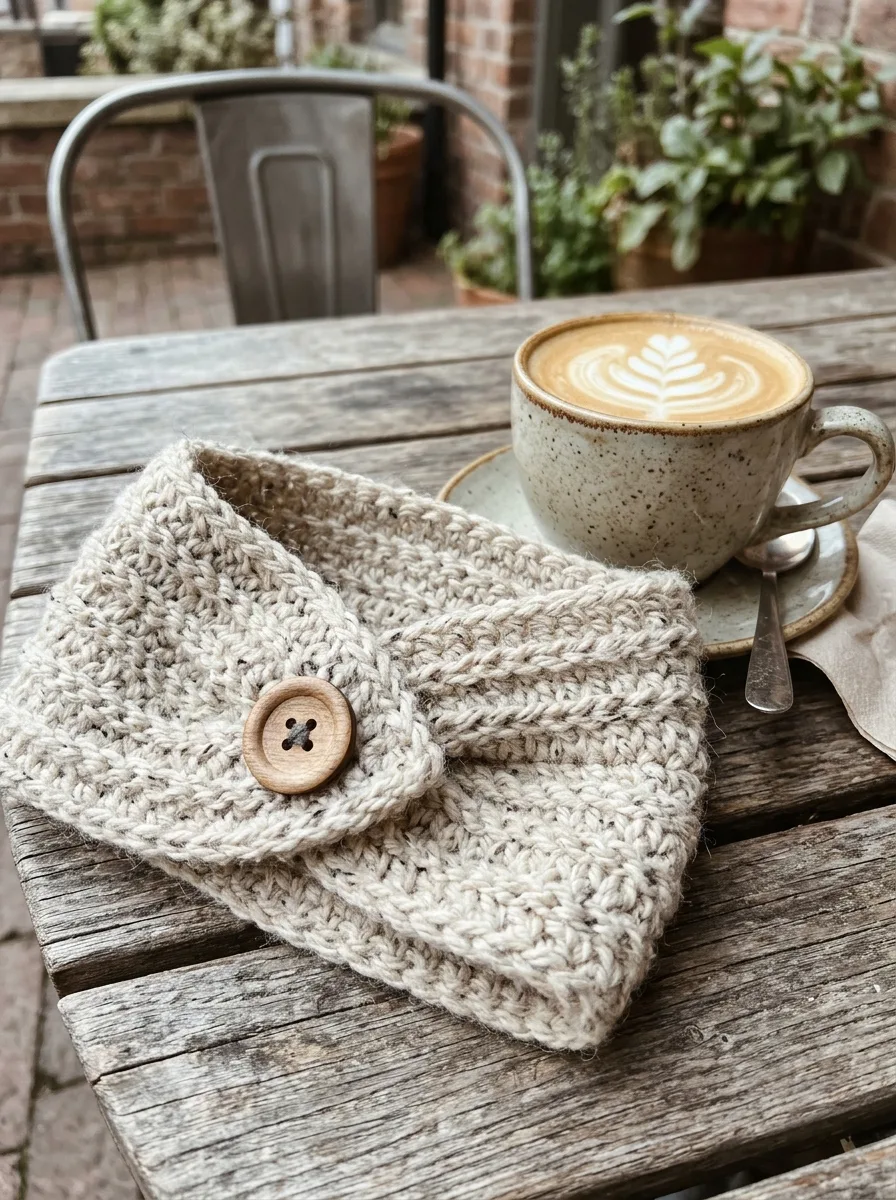
A button at the side is an easy detail that also makes the band adjustable. Sew two buttons and a button loop at the overlap.
Baby headbands need very stretchy yarn so they never press on the head. Make them loose, and avoid decorations that could come off.
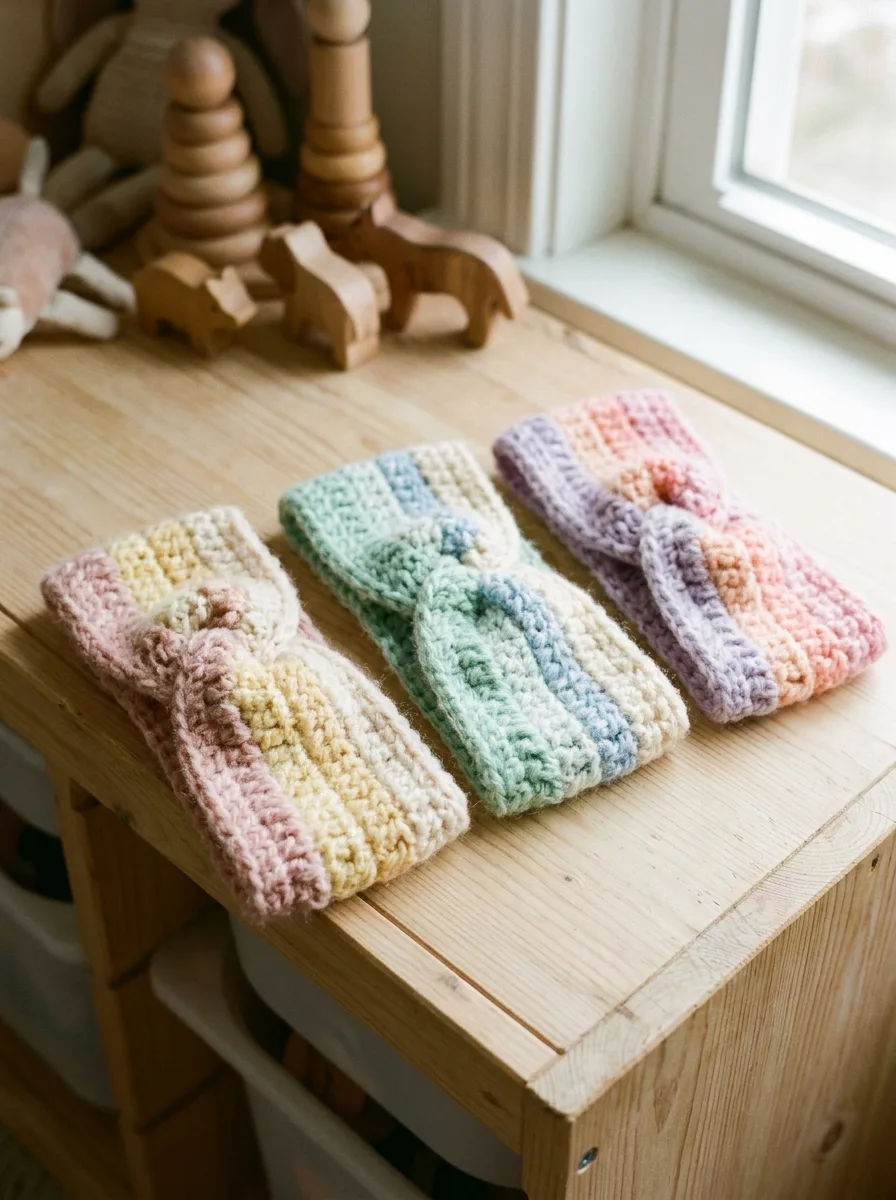
Stripes are the fastest way to use up leftover yarn in a headband. Change color every 4 to 6 rows.
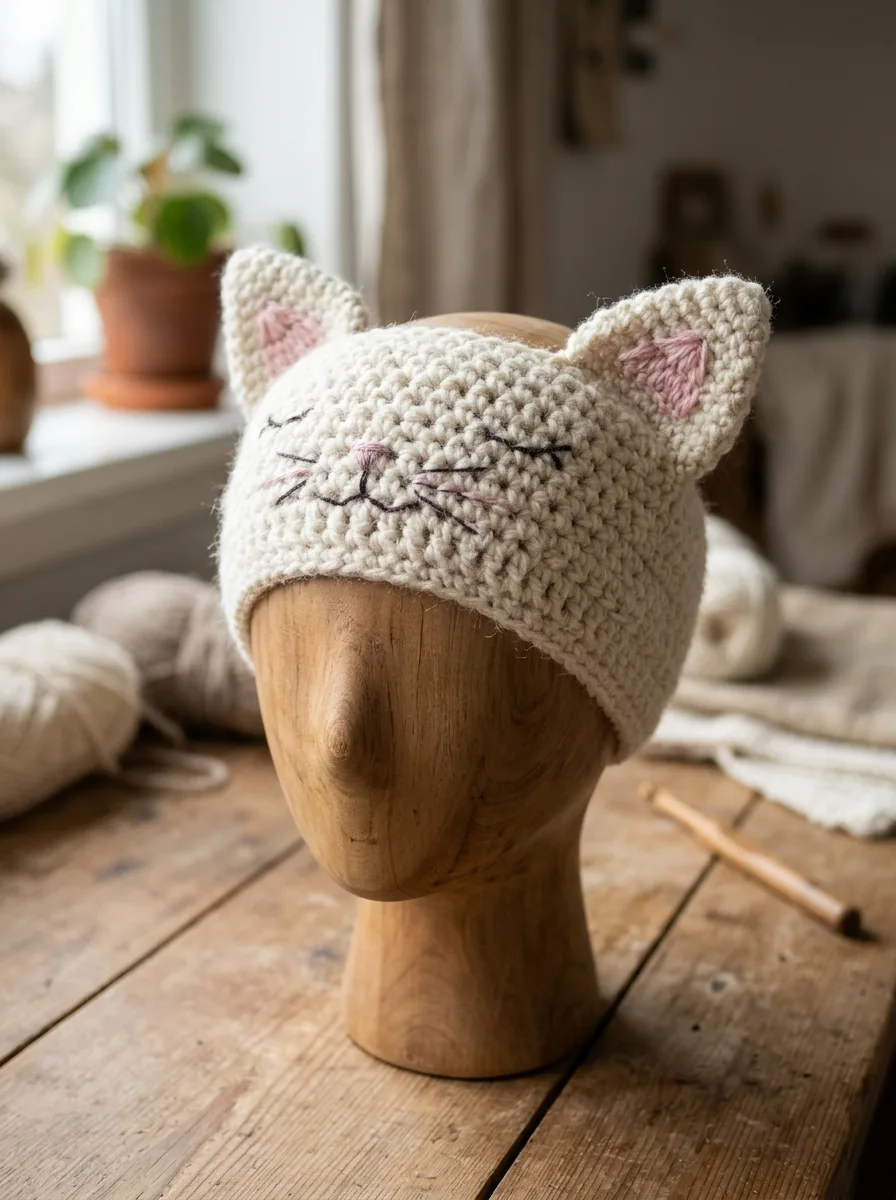
Animal ears are fun for dress-up, using embroidered details only. Never sew buttons or beads onto a child’s headband.
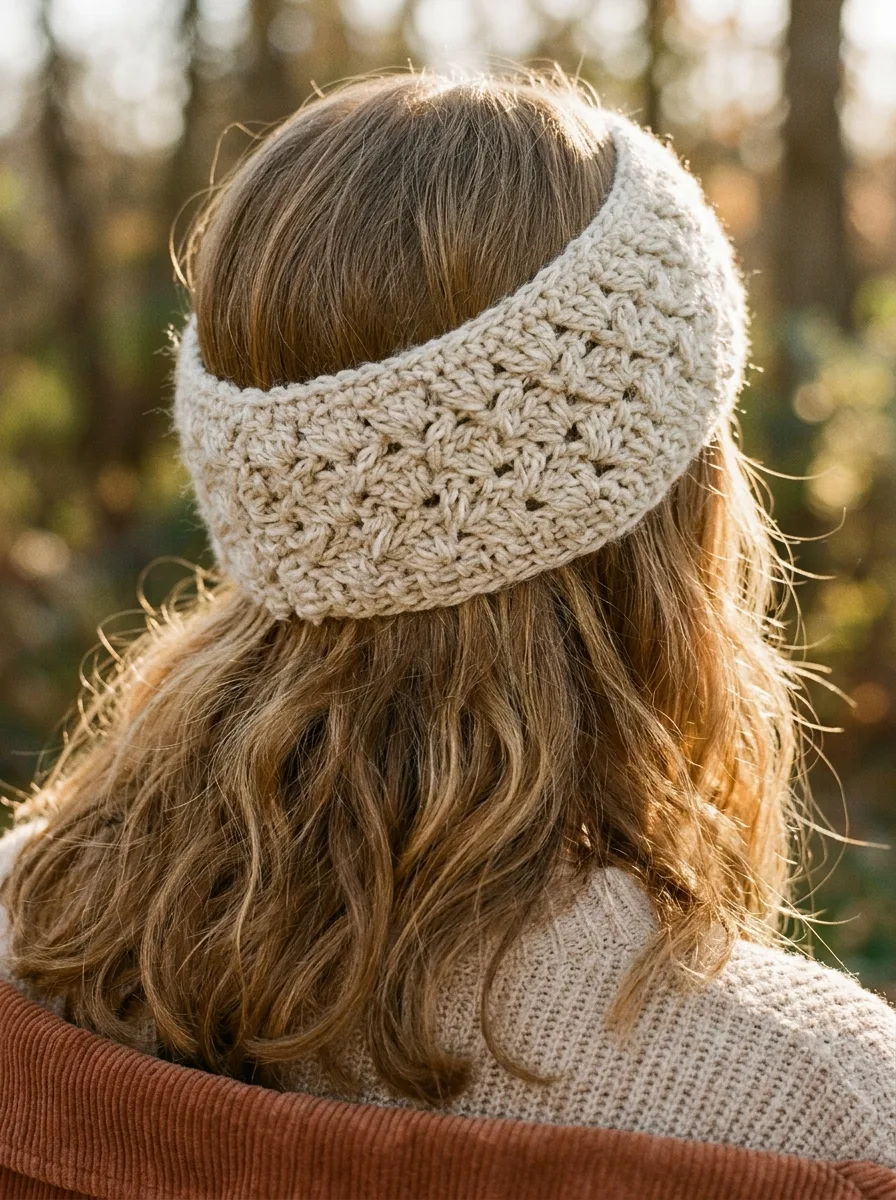
A simple headband dresses up loose hair and keeps it off the face. Wear it just behind the hairline for a retro look.
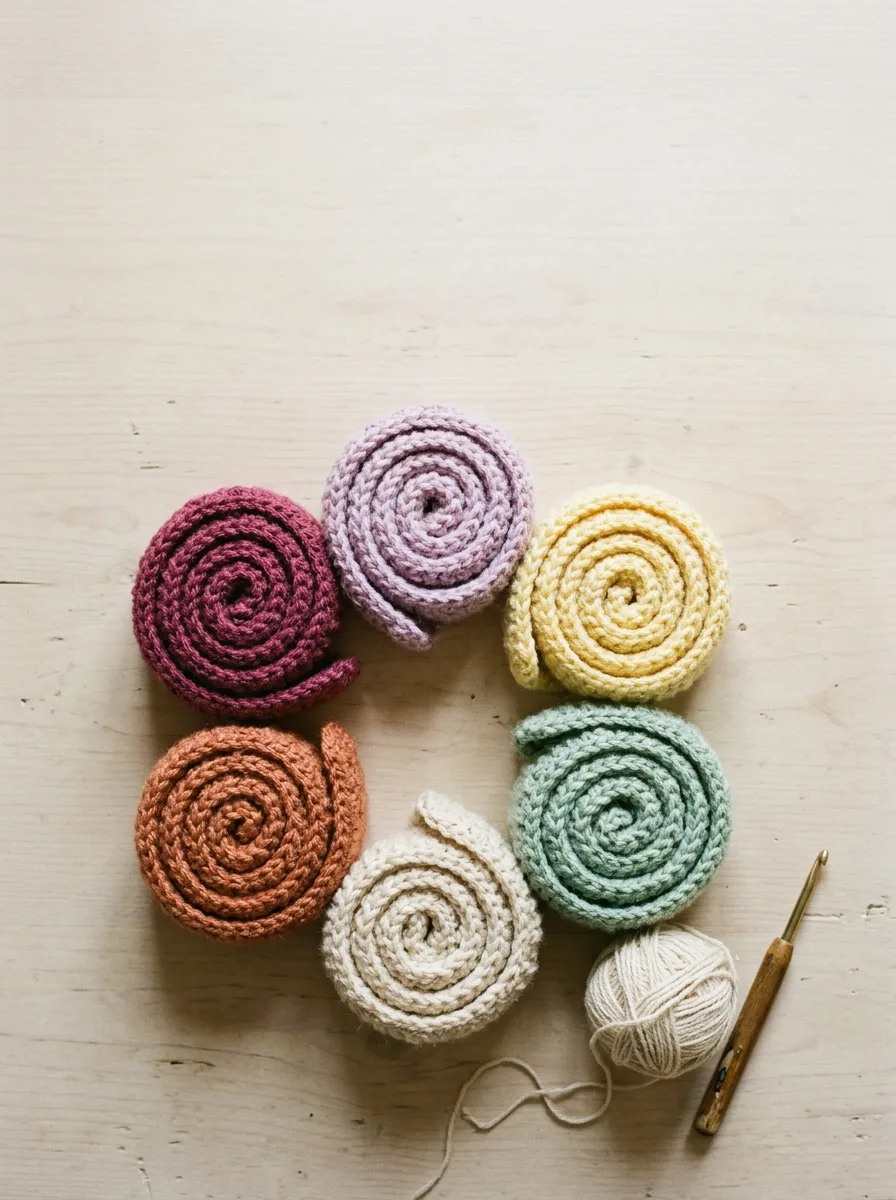
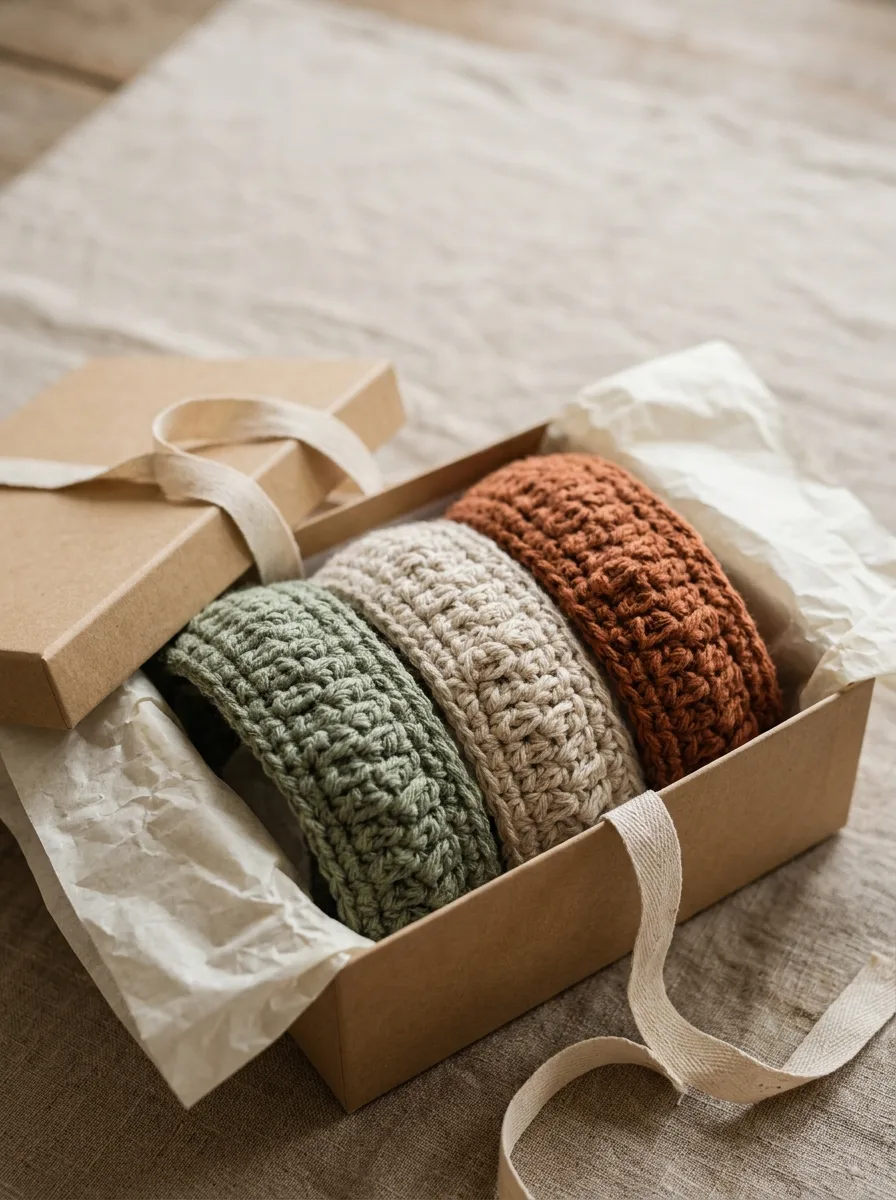
Gift a set of three headbands in colors that mix and match. Pair them with a crochet beanie for a complete set.
Headbands sell well at craft fairs because they are quick to make. A batch takes an afternoon.
The band is a strip of scsc = single crochetUK: double crochet (dc)Insert hook, yarn over, pull up a loop (2 loops), yarn over, pull through both. The shortest, densest basic stitch. worked in the back loop only (BLOBLO = back loop onlyUK: back loop onlyInsert your hook under only the back loop of the stitch. Creates a ridge and a stretchy, ribbed texture.) so it is ribbed and stretchy. The foundation chain is the width, and the rows go around the head. Join the ends into a ring and twist the middle once.
| Child | S | M | L | |
|---|---|---|---|---|
| Head (hairline) | 50–52 cm | 53–55 cm | 56–58 cm | 59–61 cm |
| Foundation chain | 17 | 17 | 17 | 17 |
| Stitches per row | 16 | 16 | 16 | 16 |
| Rows | 106 | 114 | 120 | 126 |
| Band length (flat) | 48 cm | 52 cm | 55 cm | 57 cm |
Tick as you go
0 / 6 done
Count check: 17 chains give 16 sc. Rows ÷ 2.2 per cm = length: 106 rows = 48 cm, 114 = 52 cm, 120 = 55 cm, 126 = 57 cm. A ribbed band stretches, so it is comfortable on the head size listed.
Finished! Fasten off and admire it.
If the band feels loose, sew a short piece of elastic across the seam. If it is tight, take out a few rows and re-join. Always try it on before you tack the twist.
Saving this for your next project?
Pin it, so it's there when you pick up your hook.
Measure your head at the hairline, where the band will sit, then subtract about 2 cm so the band stretches slightly and stays put. Ribbed stitches stretch more than flat ones, so a ribbed band can be 3 to 4 cm smaller than the head.
Make it a little snug, use a stretchy ribbed stitch and add a short piece of elastic at the back. A band worked in cotton slips more than one in wool or acrylic.
Crochet Hair Accessories →A soft, stretchy yarn. Cotton blends suit summer; wool blends and acrylic suit winter ear warmers. Choose smooth yarn so it does not tangle in your hair.
Crochet Yarn Guide →Use a very stretchy yarn, make the band loose enough that it never presses on the head and keep any decoration small, flat and sewn on securely. Supervise babies when they wear one, and take it off for sleep.
A plain ribbed band takes one or two hours, and a flower or twist version takes an evening. It is a good beginner project.
Crochet Hat and Beanie Ideas →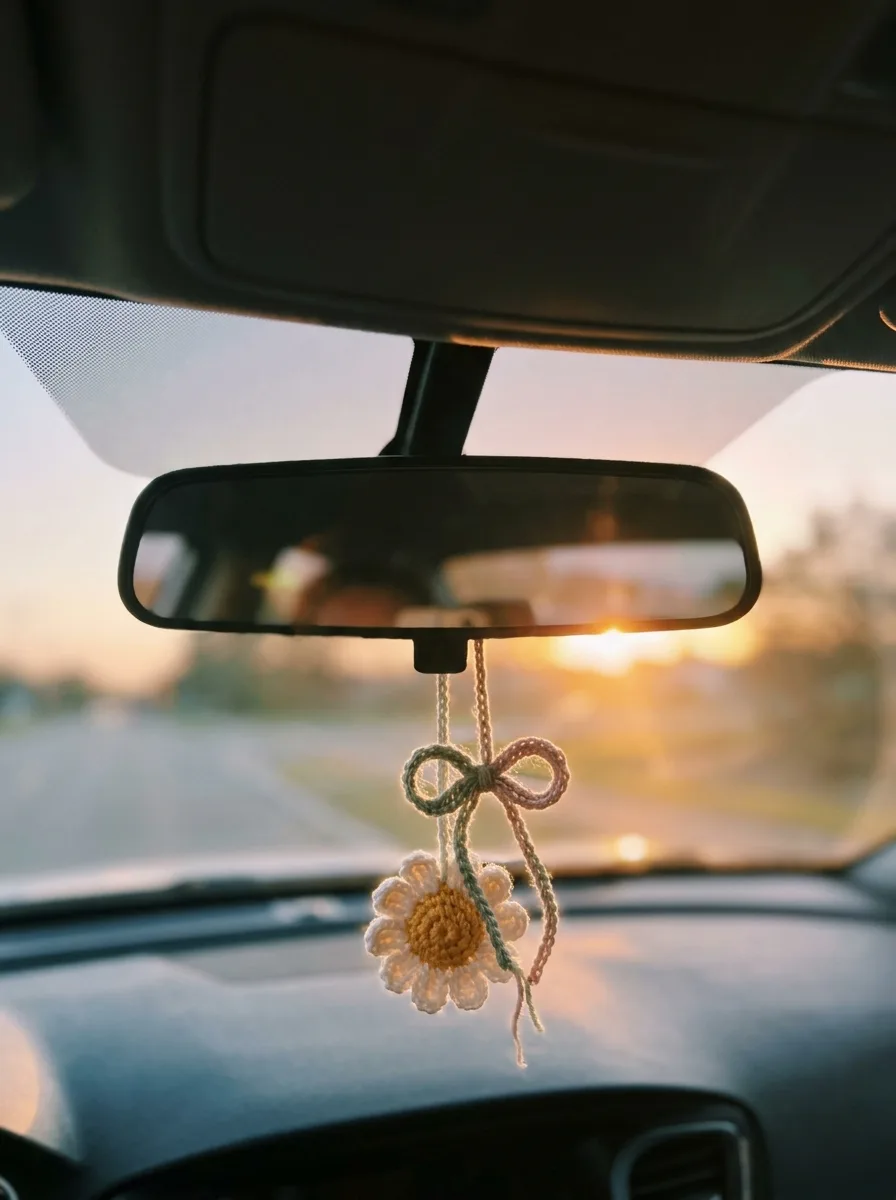 Small Accessories
Bags & Accessories
Crochet car accessories: 12 cute and safe ideas for mirror charms, coasters, seat belt covers and keyrings, with notes on what never to hang in a car.
 Scarves & Shawls
Bags & Accessories
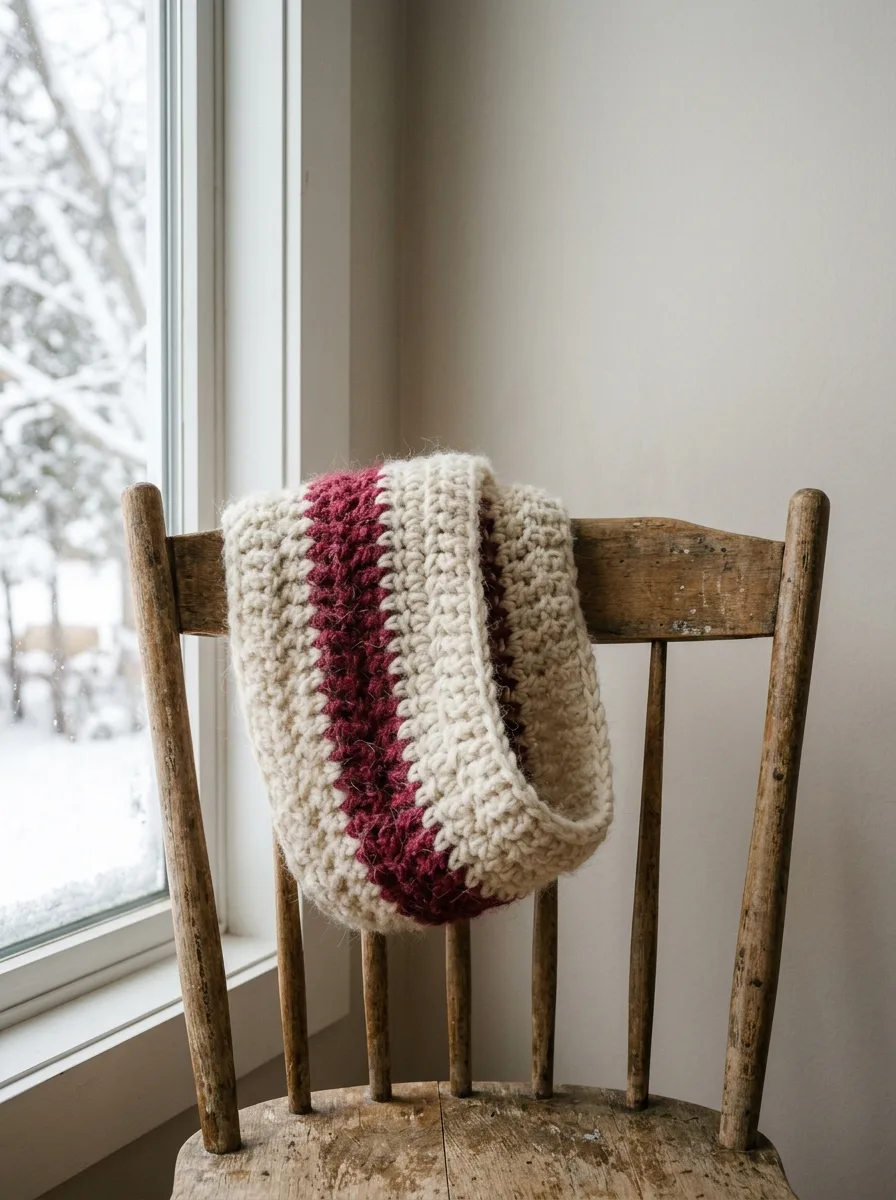
Crochet cowls, collars and hooded scarves: 13 cozy ideas, how to size by shoulder circumference and a free infinity cowl pattern in short and long sizes.
 Flower Ideas
Flowers
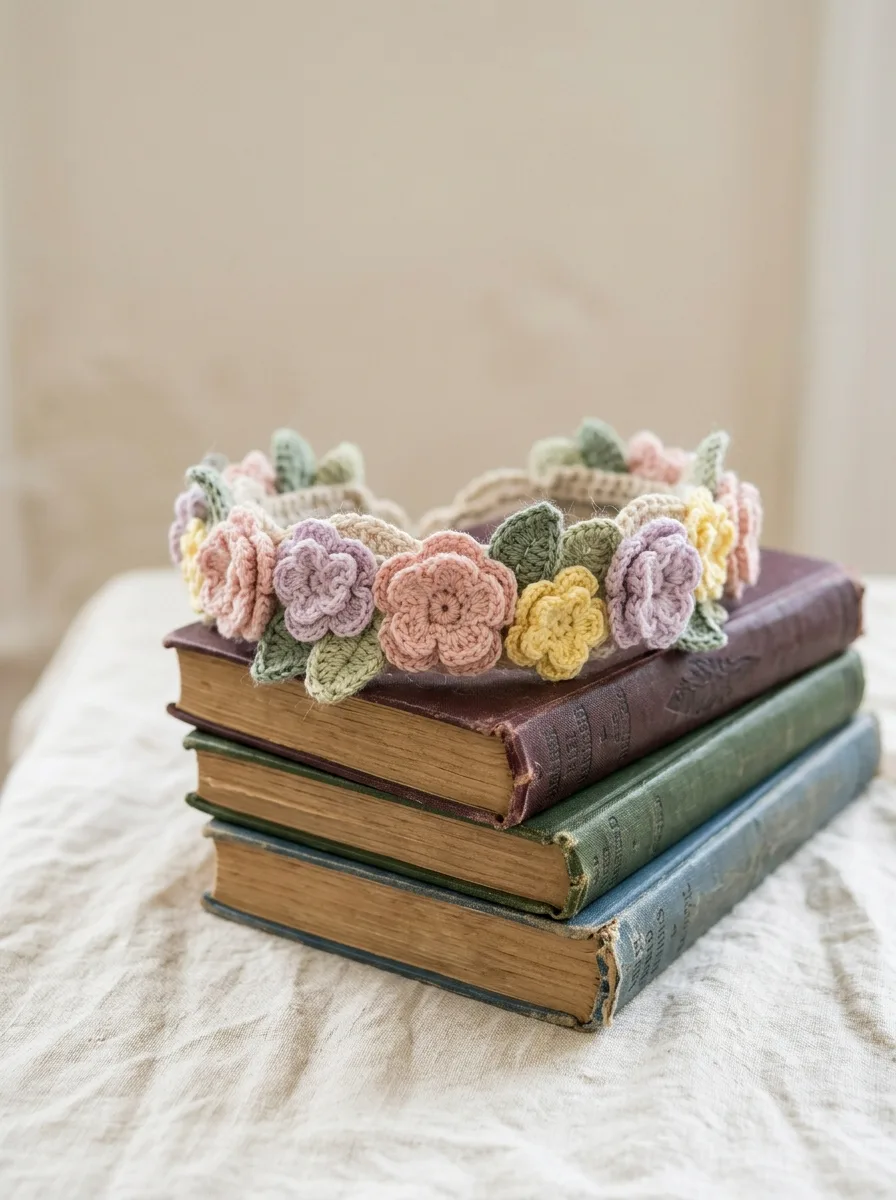
Crochet flower crown ideas for weddings, festivals and kids, with a free adjustable base pattern, a five-petal flower and tips for a wire-free crown.